

A Single-Cell Atlas Reveals How Human Fat Tissue Changes with Obesity and Weight Loss
Scientists built a detailed single-cell map of human fat tissue and discovered that obesity fundamentally alters immune and fat cell behavior. While weight loss can reverse many of these harmful changes, some cellular “scars” remain, helping explain why long-term metabolic risk persists after obesity.
A new study published in Cell provides the most detailed map to date of how human fat tissue changes at the cellular and molecular levels during obesity and weight loss. Using single-cell and spatial transcriptomics, researchers created a comprehensive atlas of adipose (fat) tissue, revealing how immune cells, fat cells, and support cells interact to influence metabolism and inflammation.
The research team analyzed thousands of individual cells from human adipose tissue samples collected from people with different body weights and metabolic conditions. This allowed them to track how specific cell populations expand, shrink, or change behavior in obesity and after weight loss.
Key Findings
1. Obesity reshapes fat tissue at the cellular level
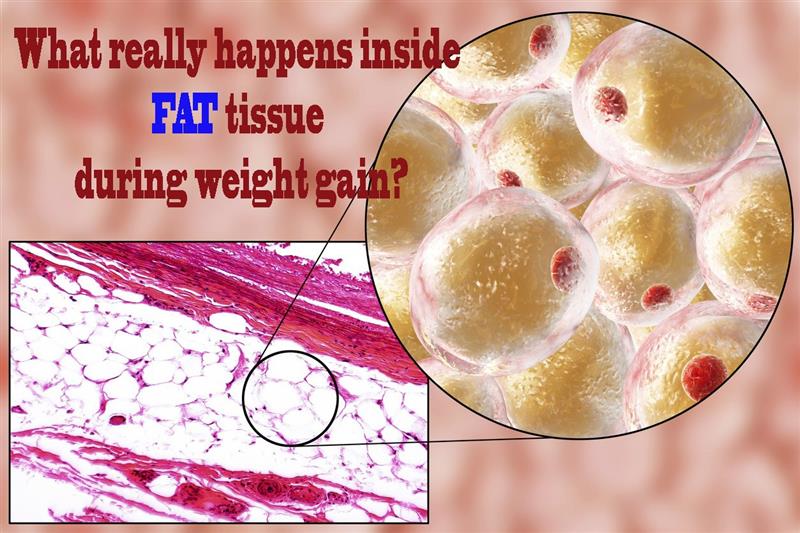
In obesity, fat tissue showed a dramatic increase in inflammatory immune cells, especially certain macrophages that promote chronic inflammation. These immune cells clustered around stressed and dying fat cells, forming structures known as “crown-like structures.”
2. Fat cells become metabolically dysfunctional
Adipocytes in obese individuals displayed altered gene expression linked to insulin resistance, impaired lipid storage, and increased cellular stress. This suggests that obesity is not simply excess fat accumulation, but a fundamental rewiring of fat cell biology.
3. Weight loss partially reverses harmful changes
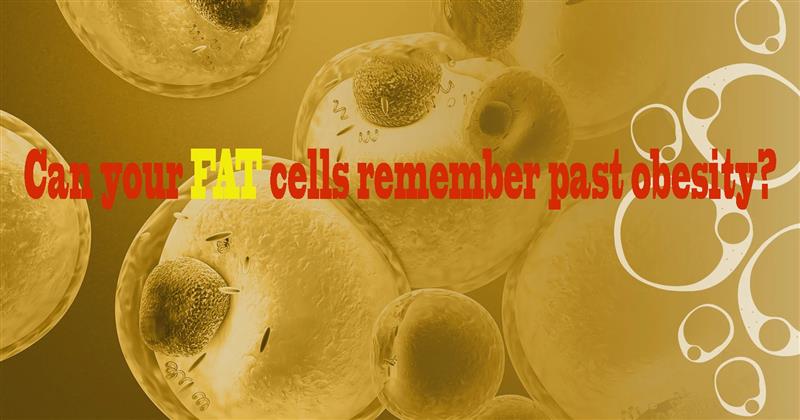
After significant weight loss, many inflammatory signals were reduced and healthier cell populations re-emerged. However, some obesity-associated cellular signatures persisted, indicating that fat tissue retains a “memory” of prior obesity.
4. Spatial organization matters
The study showed that the physical arrangement of cells inside fat tissue changes with obesity. Immune cells moved closer to damaged fat cells, intensifying inflammatory signaling. This spatial remodeling may explain why obesity leads to long-term metabolic complications.
5. New molecular targets identified
Researchers identified several signaling pathways and cell-to-cell communication networks that could serve as potential therapeutic targets for obesity-related diseases such as type 2 diabetes and cardiovascular disorders.
Why This Matters for GeneFit Readers
Understanding how fat tissue changes at the cellular level helps explain why obesity increases the risk of diabetes, heart disease, and chronic inflammation. For GeneFit readers, this research supports the importance of personalized nutrition and lifestyle strategies that target not just weight loss, but also long-term metabolic and immune health. It also highlights why early prevention is critical—because fat tissue may retain molecular “memories” of obesity even after weight reduction.
Reference
Ding, X., Hwang, F.-J., Silverman, D., Zhong, P., Li, B., Ma, C., Lu, L., Jiang, G., Zhang, Z., Huang, X., Tu, X., Tian, Z. M., Ding, J., & Dan, Y. (2025). Neuroendocrine circuit for sleep-dependent growth hormone release. Cell, 188(17), 4968–4979. https://doi.org/10.1016/j.cell.2025.05.039
Disclaimer: The information on this website is for educational purposes only and does not constitute medical advice, diagnosis, or treatment. Content is based on publicly available scientific sources and does not replace consultation with a DHA-licensed healthcare professional. No claims are made that this information can prevent, diagnose, or cure any disease. Individual results may vary. GeneFit Clinics assumes no responsibility for any consequences arising from the use of this information.

Ready to unlock your potential?
Your body deserves better than guesswork.
Book a consultation to discover a personalised transformation experience, built on your unique biology and delivered with concierge-level care.