

Can Semaglutide Cause Muscle Loss? Here’s What Researchers Found
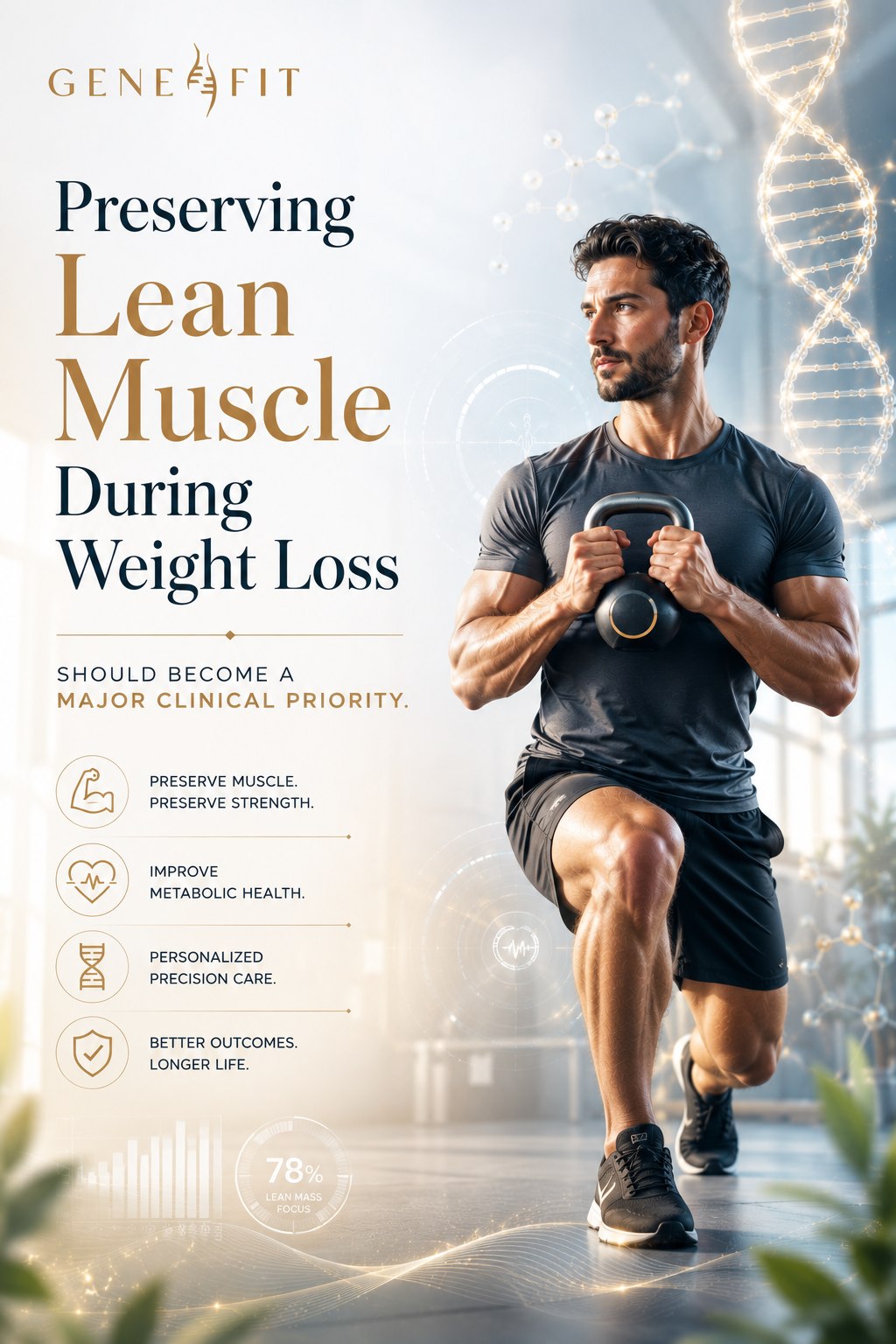
A new study published in JAMA Network Open found that both bariatric surgery and GLP-1 medications such as semaglutide and tirzepatide can reduce fat mass significantly while also causing moderate losses in fat-free mass. Researchers say the overall body composition still improves, but preserving muscle during weight loss should become a clinical priority.
Can Weight Loss Drugs Cause Muscle Loss? Here’s What Scientists Found
The rise of GLP-1 weight loss medications has transformed obesity treatment worldwide. Drugs such as semaglutide and tirzepatide are helping patients lose unprecedented amounts of weight without surgery. But a growing scientific debate is now focusing on an important question: what exactly is being lost during rapid weight reduction?
A new study published in JAMA Network Open examined body composition changes in more than 3,000 patients treated with bariatric surgery or modern GLP-1 receptor agonists. The findings suggest that while these treatments dramatically reduce body fat, they can also lead to measurable declines in fat-free mass, including muscle tissue.

Researchers from Vanderbilt University Medical Centre tracked patients for up to 24 months after treatment. They found that both surgery and GLP-1 medications produced substantial fat mass reductions alongside moderate decreases in fat-free mass. However, fat loss consistently exceeded muscle loss, improving the overall ratio between lean tissue and body fat.
The study also revealed important biological differences between men and women. Male patients generally preserved lean mass more effectively, especially during GLP-1 treatment. Scientists believe hormonal differences, protein metabolism, and muscle protein synthesis may partly explain this effect.
The issue of muscle preservation has become increasingly important as obesity medicine enters a new era. Earlier discussions published in JAMA warned that excessive muscle loss during rapid weight reduction could increase risks of frailty, disability, and metabolic decline, especially in older adults.
At the same time, many obesity specialists argue that the benefits of fat reduction still outweigh the risks. A separate commentary in JAMA noted that physical function often improves despite reductions in skeletal muscle mass because obesity itself impairs movement, insulin sensitivity, and metabolic health.

Lojain Mahdy
Senior PhysiotherapistWeight loss is no longer just about the number on the scale, but rather by improvements in body composition. Preserving muscle while reducing fat should be a key focus, especially with GLP-1 therapies and bariatric procedures. This highlights the growing importance of resistance training, optimised protein intake, and individualised multidisciplinary treatment strategies in modern obesity management.
Scientists are increasingly emphasizing that successful weight loss should not be measured by body weight alone. Instead, preserving muscle while reducing fat may become the next major target in obesity care.
Experts now recommend combining GLP-1 therapy with resistance training, higher protein intake, and personalized nutrition strategies to reduce the risk of sarcopenia during weight loss treatment. Emerging evidence also suggests that obesity itself may accelerate biological aging, further increasing the importance of maintaining healthy muscle mass over time.
As GLP-1 medications continue to reshape modern medicine, researchers say future obesity treatments will likely focus not only on how much weight patients lose, but also on the quality of that weight loss.
Why This Matters for GeneFit Readers
For GeneFit readers, this research highlights an important shift in precision obesity medicine. Rapid weight loss alone is no longer considered the ultimate goal. Maintaining muscle mass, metabolic flexibility, and healthy ageing markers may be equally important for long-term health outcomes.
This is especially relevant for patients using GLP-1 medications or pursuing aggressive fat-loss programs. Personalised exercise plans, protein optimisation, body composition tracking, and genetic insights may help reduce the risks associated with lean mass decline.
GeneFit’s focus on precision health, metabolic monitoring, and personalised interventions aligns closely with this emerging direction in obesity science.
Reference
Wang, Z., Wang, L., Zhang, X., Lowery, B. D., Shaffer, L. L., Chen, Y., Wells, Q. S., Flynn, C. R., Williams, B., Spann, M., Srivastava, G., Samuels, J. M., & Yu, D. (2026). Body composition changes after bariatric surgery or treatment with GLP-1 receptor agonists. JAMA Network Open, 9(1), e2553323. https://doi.org/10.1001/jamanetworkopen.2025.53323
Disclaimer: The information on this website is for educational purposes only and does not constitute medical advice, diagnosis, or treatment. Content is based on publicly available scientific sources and does not replace consultation with a DHA-licensed healthcare professional. No claims are made that this information can prevent, diagnose, or cure any disease. Individual results may vary. GeneFit Clinics assumes no responsibility for any consequences arising from the use of this information.

Ready to unlock your potential?
Your body deserves better than guesswork.
Book a consultation to discover a personalised transformation experience, built on your unique biology and delivered with concierge-level care.