

Childhood Obesity Starts in the Genes—but Early Lifestyle Can Change the Outcome
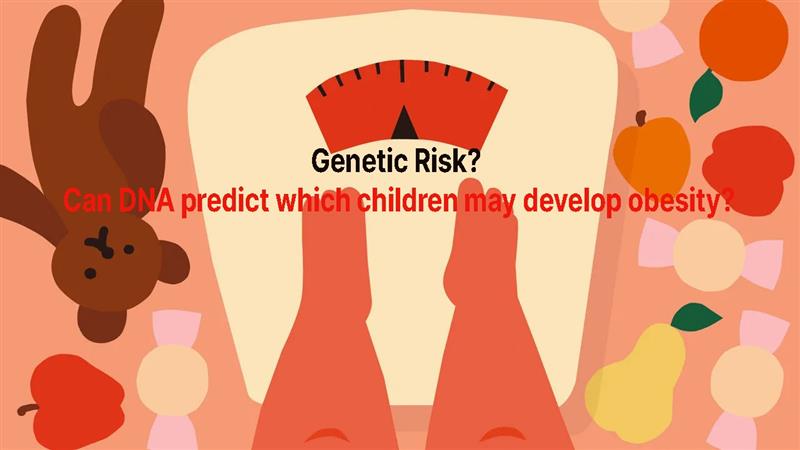
A new scientific review highlights how polygenic risk scores (PRS) can help identify children genetically predisposed to obesity. However, researchers emphasize that genes alone do not determine a child’s weight: environmental factors such as diet, physical activity, sleep, stress, and socioeconomic conditions can significantly modify genetic risk. Early lifestyle interventions tailored to a child’s genetic profile may therefore play a crucial role in preventing obesity.
The Genetics Behind Childhood Obesity
Childhood obesity has become one of the most pressing global health challenges. Scientists now know that the condition is highly polygenic, meaning that many genes—each with a small effect—combine to influence obesity risk.
Large genome-wide association studies (GWAS) have identified numerous obesity-related genetic variants. Among the best-known are genes involved in appetite regulation and energy balance, including FTO, MC4R, LEP, and LEPR, which affect how the brain regulates hunger and metabolism.
To measure the combined influence of these genes, researchers use polygenic risk scores, which summarize the cumulative effect of many genetic variants to estimate an individual’s predisposition to obesity.
DNA Is Not Destiny
Despite strong genetic influences, the study stresses that genetic risk does not guarantee obesity.
Instead, obesity develops through gene-environment interactions, where lifestyle and environmental exposures either amplify or reduce genetic susceptibility.
For example:
- Healthy diets rich in fruits, vegetables, and whole grains can reduce obesity risk even in genetically susceptible individuals.
- Regular physical activity may weaken the impact of obesity-related genetic variants.
- Adequate sleep and lower stress levels can also help buffer genetic predispositions.
These findings reinforce a key principle in modern genetics: having risk genes does not mean the outcome is inevitable.
Early Intervention Matters
Because genetic effects often appear early in life, childhood provides a critical window for prevention.
Polygenic risk scores could help identify children who might benefit most from targeted early interventions, such as:
- personalized nutritional guidance
- structured physical-activity programs
- behavioral strategies to manage appetite and cravings
Researchers suggest that combining genetic screening with lifestyle interventions could lead to more precise and effective prevention strategies.
Social Environment Also Shapes Risk
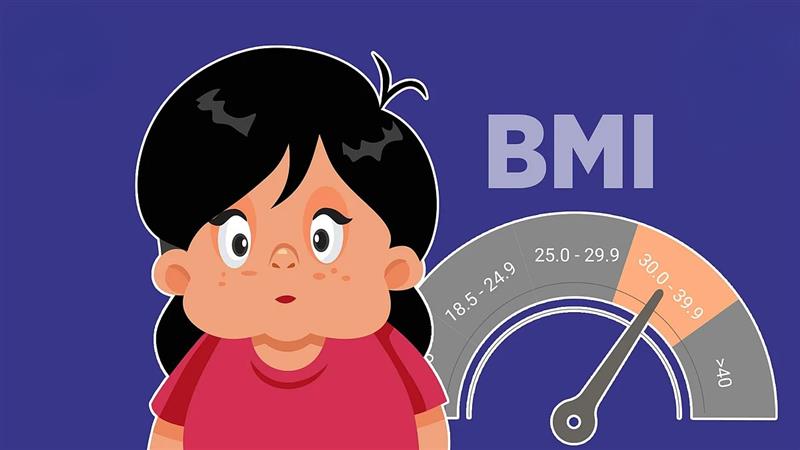
The study also highlights the role of socioeconomic factors. Children from families with higher education or better access to healthy food and safe play areas often experience lower obesity risk—even when genetic susceptibility is high.
Conversely, stress, limited access to healthy food, and sedentary environments can amplify genetic predispositions.
Why This Matters for GeneFit Readers
This research strongly aligns with the GeneFit approach to personalized health.
- Polygenic risk scores demonstrate how genetic testing can identify individuals at higher risk for obesity.
- The study confirms that lifestyle interventions can modify genetic risk, highlighting the power of personalized nutrition and exercise programs.
- Integrating genetic data with behavioral coaching and environmental awareness could dramatically improve early prevention strategies for obesity and metabolic disease.
For GeneFit readers, the message is clear: genetics can guide prevention—but lifestyle still writes the final chapter of health.
Reference
van Uhm, Jorrit., van Rossum, Elisabeth F. C., van Haelst, Mieke M., Jansen, Philip R., & van den Akker, Erica L. T. (2026). Polygenic childhood obesity: Integrating genetics and environment for early intervention. Hormone Research in Paediatrics, 99(2), 228–236. https://doi.org/10.1159/000546951
Disclaimer: The information on this website is for educational purposes only and does not constitute medical advice, diagnosis, or treatment. Content is based on publicly available scientific sources and does not replace consultation with a DHA-licensed healthcare professional. No claims are made that this information can prevent, diagnose, or cure any disease. Individual results may vary. GeneFit Clinics assumes no responsibility for any consequences arising from the use of this information.

Ready to unlock your potential?
Your body deserves better than guesswork.
Book a consultation to discover a personalised transformation experience, built on your unique biology and delivered with concierge-level care.