

Forget Sports Drinks. Chocolate Milk May Be the Better Recovery Choice
A new systematic review and meta-analysis of randomized controlled trials suggests that chocolate milk may be one of the most effective and affordable post-exercise recovery drinks. Researchers found that chocolate milk significantly reduced blood lactate levels compared with other recovery beverages, indicating enhanced recovery after exercise. However, it did not significantly affect body weight or muscle damage markers such as creatine kinase.
Chocolate Milk Outperforms Other Recovery Drinks in Reducing Exercise-Induced Lactate, Study Finds
Chocolate milk has long been a favorite recovery beverage among athletes, but a new comprehensive review suggests there may be more science behind the tradition than previously thought.
Researchers from Shahid Beheshti University of Medical Sciences in Iran conducted a systematic review and meta-analysis of randomized controlled trials to evaluate the effects of chocolate milk on exercise recovery markers. Their findings indicate that chocolate milk significantly lowers blood lactate levels after exercise when compared with other recovery drinks.
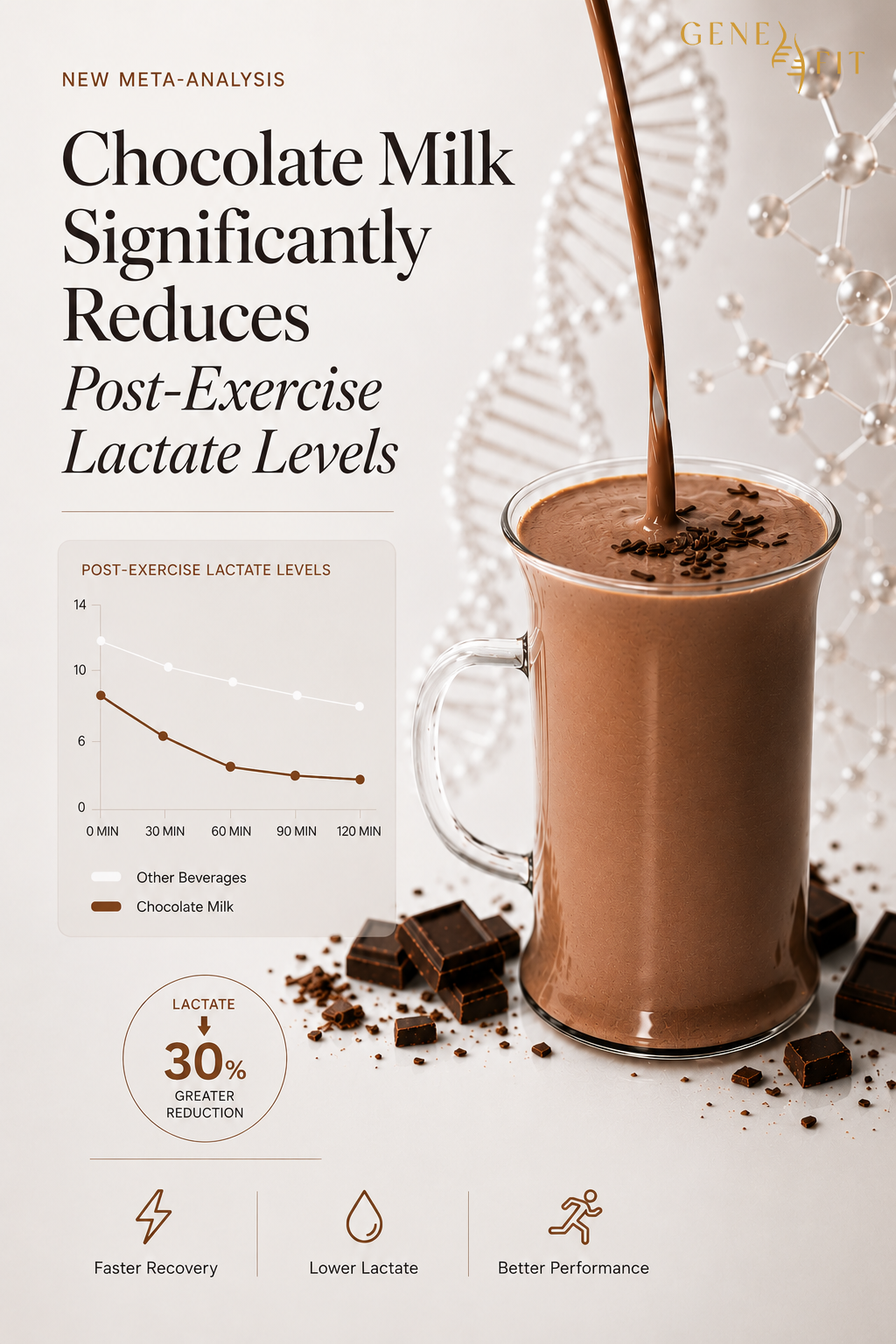
The study analyzed data from 16 randomized controlled trials involving 200 healthy adults. Twelve of those trials, representing 140 participants, were included in the quantitative meta-analysis. Researchers compared chocolate milk with various alternative recovery beverages and assessed multiple physiological markers, including body weight, creatine kinase (CK), lactate, cortisol, glucose, insulin, and myoglobin.
The most notable finding was a significant reduction in serum lactate levels among participants who consumed chocolate milk after exercise. Lactate is commonly used as a marker of metabolic stress and exercise-induced fatigue. Faster lactate clearance may indicate more efficient recovery following intense physical activity. The pooled analysis showed that chocolate milk reduced lactate concentrations by approximately 0.75 mmol/L compared with competing recovery drinks.
Interestingly, the benefits appeared strongest in endurance athletes, suggesting that sports involving prolonged aerobic effort may gain the greatest advantage from chocolate milk-based recovery strategies.
Despite its positive effects on lactate, chocolate milk did not significantly influence body weight or serum creatine kinase levels, a commonly used marker of muscle damage. This suggests that while chocolate milk may enhance certain aspects of recovery, it is not necessarily superior to other recovery beverages for all physiological outcomes.
The researchers also observed reductions in cortisol levels in several U.S.-based studies included in the analysis. Cortisol is a stress hormone that rises after intense exercise and may influence recovery and adaptation. However, the authors caution that more high-quality trials are needed to confirm these findings and determine optimal dosing strategies.
Chocolate milk's effectiveness may stem from its naturally balanced combination of carbohydrates, high-quality dairy proteins, electrolytes, and fluids. This nutrient profile supports glycogen replenishment, muscle protein synthesis, and rehydration simultaneously, making it an attractive and cost-effective alternative to many commercial sports recovery products.

The authors conclude that chocolate milk provides recovery benefits comparable to or better than many specialized recovery beverages while remaining affordable and widely accessible. Nevertheless, larger and longer-term clinical trials are needed before definitive recommendations can be made regarding its effects on broader recovery and performance outcomes.
Why This Matters for GeneFit Readers
Recovery is not one-size-fits-all. Genetic differences can influence carbohydrate metabolism, lactate clearance, muscle recovery, and adaptation to training. While chocolate milk may be an effective recovery option for many individuals, personalized nutrition strategies based on genetic and metabolic profiles could help optimize post-exercise recovery even further.
For GeneFit readers, this study highlights an important principle: effective recovery does not always require expensive supplements. Evidence-based nutritional choices, combined with personalized genetic insights, may provide a more precise and cost-effective approach to improving athletic performance and long-term health.
Reference
Abbasi, M. M., Maghsoudifar, A., & Eslamian, G. (2025). Chocolate milk significantly reduced serum lactate levels compared to other recovery drinks: A comprehensive systematic review and meta-analysis of randomized controlled trials. Human Nutrition & Metabolism, 42, 200343. https://doi.org/10.1016/j.hnm.2025.200343
Disclaimer: The information on this website is for educational purposes only and does not constitute medical advice, diagnosis, or treatment. Content is based on publicly available scientific sources and does not replace consultation with a DHA-licensed healthcare professional. No claims are made that this information can prevent, diagnose, or cure any disease. Individual results may vary. GeneFit Clinics assumes no responsibility for any consequences arising from the use of this information.

Ready to unlock your potential?
Your body deserves better than guesswork.
Book a consultation to discover a personalised transformation experience, built on your unique biology and delivered with concierge-level care.