

From Genes to Gold Medals: The Science Behind Personalized Athletic Performance
This article reviews how genetic markers and biological profiling can support talent identification and personalized training in elite combat and endurance athletes. It explains that specific gene variants influence muscle performance, endurance capacity, recovery, and response to training. However, the authors emphasize that no single gene can predict athletic success. Instead, combining genetic data with physiological and immune biomarkers offers a more accurate and ethical approach to optimizing training and athlete health.
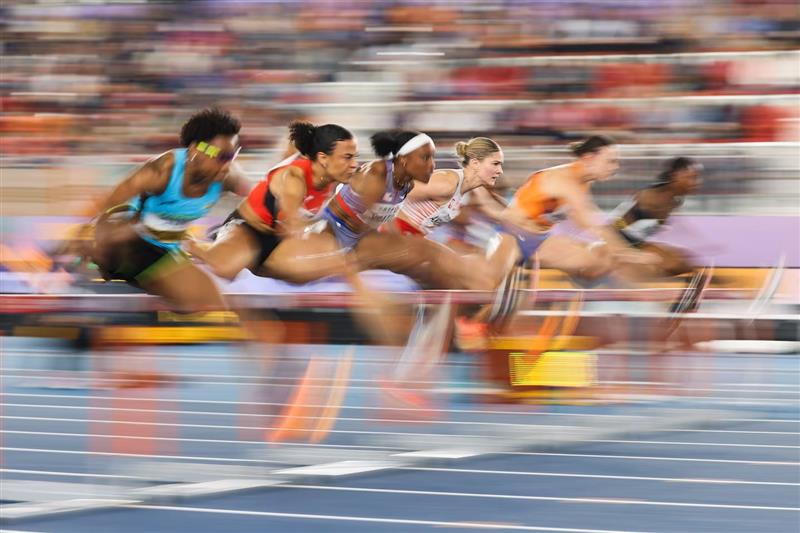
Genetic Profiling Unlocks Precision Insights in Elite Sports
Published in the American Impact Review (10 Feb 2026) — Sports science is rapidly shifting from generalized training frameworks to precision-tailored methodologies grounded in biological data. A new research article by Roman Andreev and Sergey Razinkin synthesizes findings from a national sports science program that used genetic and biomarker profiling to explore talent identification and customized athlete programming across elite combat and endurance disciplines.
The article highlights that elite athletic performance results from complex interactions between genetic predisposition, physiological adaptation, psychological resilience, and training history. Genetic polymorphisms — variations in DNA sequence — are now understood to influence muscular structure, metabolic pathways, cardiovascular adaptation, and recovery kinetics.
Key Genetic Markers in Athlete Profiling
The research emphasized several genes with performance-linked variations:
- ACTN3 (R577X): Associated with fast-twitch muscle performance and power/sprint phenotypes. Certain genotypes correlate with injury susceptibility and recovery patterns.
- ACE (I/D): Linked with endurance and strength traits, though associations vary by sport discipline.
- AGT (M235T): Part of the renin-angiotensin system, influencing cardiovascular adaptation, with potential roles in both power and endurance performance.
- AMPD1: Variants here affect high-intensity exercise performance and fatigue profiles.
The authors note that while none of these markers alone fully predicts performance, combined multi-gene profiles — especially when paired with physiological and biomechanical data — can offer actionable insights.

Beyond Genetics: Pharmacogenomics & Immune Monitoring
The review extends beyond static DNA variants:
- Pharmacogenomics: Genotyping of enzymes like CYP450 family members reveals how athletes metabolize supplements and drugs, enabling personalized supplementation protocols that maximize benefit and minimize side effects.
- Immune Profiling: Cytokine expression and latent viral load monitoring help gauge an athlete’s immunological status, which can fluctuate with training load and influence recovery and susceptibility to illness.
Applications & Limitations
With continuous advances in molecular biology and wearable sensors, precision sport science holds the promise of individualized training prescriptions. However, the authors stress that:
- Genetic influences account for only a fraction of performance variability.
- Environment, nutrition, psychology, and training context remain key drivers.
- Ethical considerations (including gene doping) and data privacy must be managed carefully.
Why This Matters for GeneFit Readers
Understanding how genetic information can inform athletic performance has direct relevance for anyone interested in personalized health, fitness optimization, and performance science. This article illustrates the real-world application of genomics beyond clinical wellness — into peak physical conditioning and targeted training regimes. For GeneFit readers, these insights underscore the potential of integrating genetic and biomarker data into individualized exercise programming, injury prevention strategies, and recovery plans, aligning with GeneFit’s mission of science-driven, biology-based personalization in health and performance.
Reference
Andreev, R., & Razinkin, S. (2026). Genetic markers for talent identification and training individualization in elite combat sport and endurance athletes: Insights from a national sports science program. American Impact Review. https://americanimpactreview.com/article/e2026005
Disclaimer: The information on this website is for educational purposes only and does not constitute medical advice, diagnosis, or treatment. Content is based on publicly available scientific sources and does not replace consultation with a DHA-licensed healthcare professional. No claims are made that this information can prevent, diagnose, or cure any disease. Individual results may vary. GeneFit Clinics assumes no responsibility for any consequences arising from the use of this information.

Ready to unlock your potential?
Your body deserves better than guesswork.
Book a consultation to discover a personalised transformation experience, built on your unique biology and delivered with concierge-level care.