

From Genetics to Therapy: New Horizons in the Fight Against Pancreatic Cancer

By:
Dr. Elaheh Mirzadeh
Specialist in Sports Nutrition & Nutrigenetics ResearcherPancreatic cancer remains one of the deadliest malignancies worldwide, with limited treatment options and a persistently poor prognosis. Despite decades of research, meaningful therapeutic advances have been difficult to achieve. However, recent developments in both targeted therapies and genetic risk assessment are opening promising new avenues in the fight against this devastating disease.
One particularly intriguing area of research involves paricalcitol, a vitamin D analog that has already been approved by the U.S. Food and Drug Administration (FDA) for other medical indications. Emerging evidence suggests that paricalcitol may help alter the tumor microenvironment in pancreatic cancer.
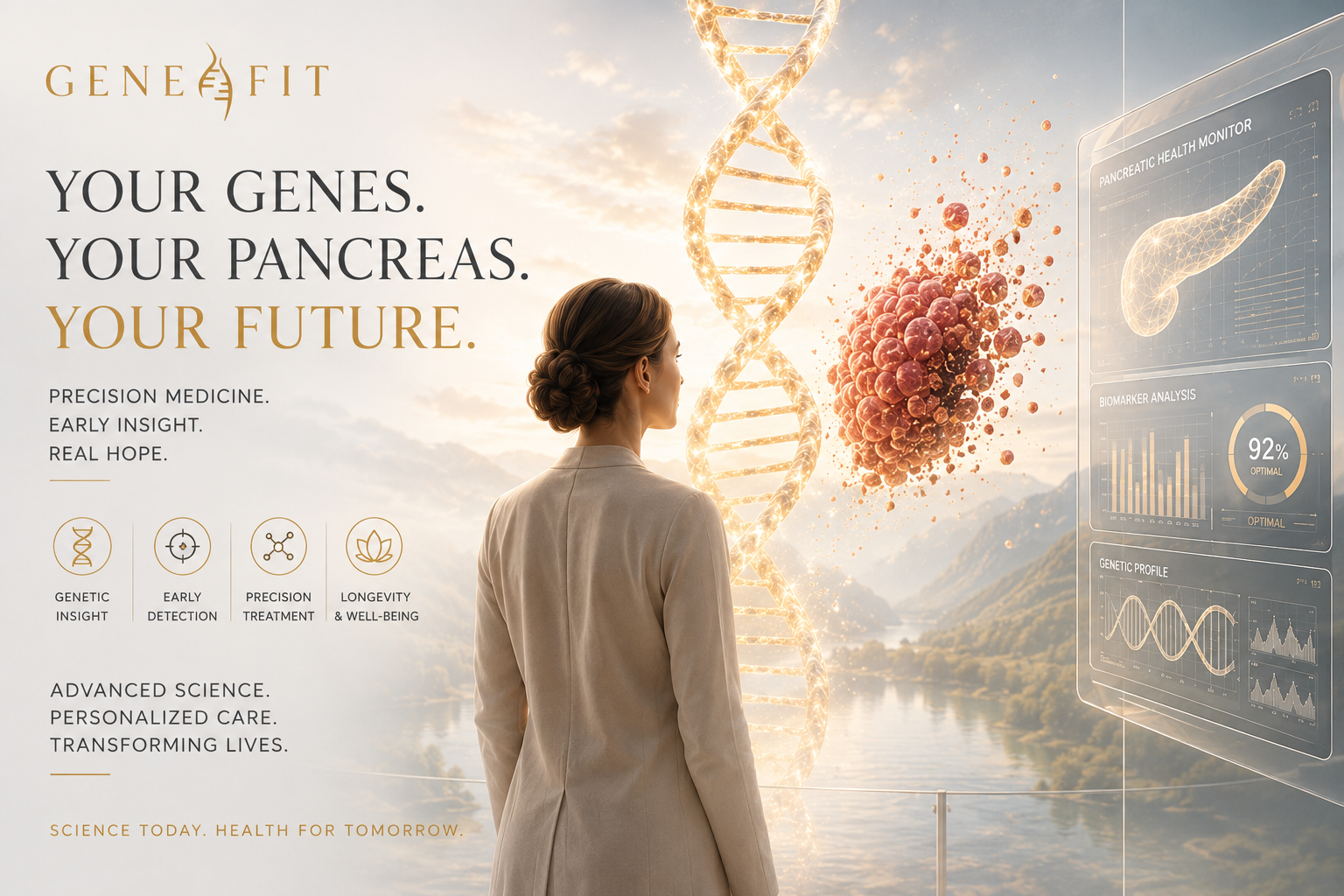
Unlike many other tumors, pancreatic cancers are typically surrounded by a dense fibrotic stroma composed of supportive cells and extracellular matrix. This barrier acts as a protective shield around the tumor, limiting drug penetration and contributing to treatment resistance. By activating the vitamin D receptor (VDR), paricalcitol appears to reprogram this tumor-supportive environment, potentially weakening the stromal barrier and enhancing the effectiveness of anticancer therapies.
Although these findings remain under clinical investigation and require confirmation in larger trials, they represent a promising step forward. If future studies demonstrate a meaningful improvement in patient outcomes, this approach could become an important addition to the therapeutic arsenal against pancreatic cancer.
Can We Identify Risk Before Cancer Develops?
While advances in treatment are encouraging, another critical question remains: can pancreatic cancer risk be identified before the disease develops?
The answer is increasingly yes.
A growing body of research has identified several inherited genetic mutations associated with an elevated risk of pancreatic cancer. Among the most important are mutations in the BRCA1, BRCA2, PALB2, and CDKN2A genes, along with a number of other cancer susceptibility genes.
Genetic testing can identify individuals who carry these mutations, particularly those with a family history of pancreatic cancer or related malignancies. Importantly, a family history of cancers such as breast, ovarian, prostate, or pancreatic cancer may indicate the presence of an inherited cancer syndrome and warrant genetic evaluation.
Does Knowing Genetic Risk Make a Difference?
Identifying genetic risk before disease onset can provide significant clinical benefits.
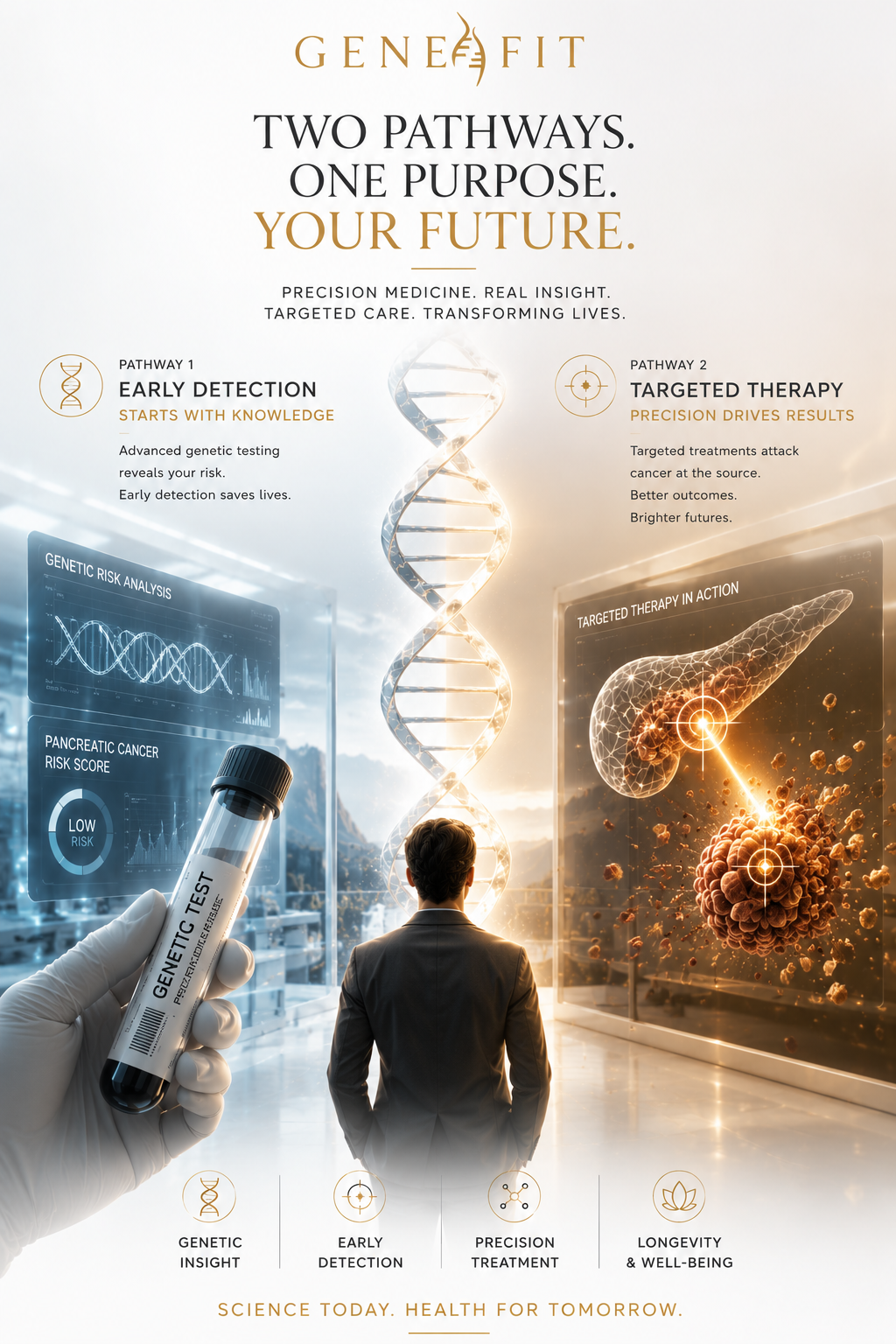
Individuals found to carry high-risk mutations may qualify for specialized surveillance programs designed to detect pancreatic abnormalities at earlier, potentially more treatable stages. Such surveillance may include periodic pancreatic magnetic resonance imaging (MRI) and endoscopic ultrasound (EUS), both of which can help identify precancerous lesions or early-stage cancers before symptoms appear.
In addition, recognizing elevated risk creates an opportunity to address modifiable lifestyle factors more aggressively. Evidence suggests that reducing known risk factors may contribute to lowering overall cancer risk and improving long-term health outcomes. Key preventive measures include:
- Smoking cessation
- Maintaining a healthy body weight
- Effective diabetes management
- Limiting alcohol consumption
This is a critical consideration for individuals over 40, menopausal women, or those with a family history of osteoporosis. In these populations, surgery carries a higher risk of fracture compared to pharmacological treatment.
The Future: Precision Prevention and Precision Therapy
Genetic testing does not prevent pancreatic cancer by itself, nor does carrying a high-risk mutation guarantee that cancer will develop. However, genetic information can help identify individuals who may benefit from closer monitoring, earlier intervention, and personalized risk-reduction strategies.
At the same time, emerging therapies such as paricalcitol highlight the growing importance of understanding the biological environment surrounding pancreatic tumors. Together, advances in genetic risk assessment, early detection, and targeted treatment are helping shape a future in which pancreatic cancer may become morepredictable, more detectable, and ultimately more treatable.
As precision medicine continues to evolve, the integration of genetics and innovative therapeutic approaches may represent one of the most promising pathways toward improving outcomes for patients at risk of, or living with, pancreatic cancer.
Disclaimer: The information on this website is for educational purposes only and does not constitute medical advice, diagnosis, or treatment. Content is based on publicly available scientific sources and does not replace consultation with a DHA-licensed healthcare professional. No claims are made that this information can prevent, diagnose, or cure any disease. Individual results may vary. GeneFit Clinics assumes no responsibility for any consequences arising from the use of this information.

Ready to unlock your potential?
Your body deserves better than guesswork.
Book a consultation to discover a personalised transformation experience, built on your unique biology and delivered with concierge-level care.