

High Achievers, Hidden Pain: The Rise of Invisible Depression
A new editorial in the BJPsych Bulletin highlights high-functioning depression (HFD)—a largely overlooked condition where individuals maintain outward success while silently experiencing persistent depressive symptoms. The study warns that this hidden burden delays diagnosis, increases the risk of severe mental illness, and calls for urgent changes in clinical recognition and mental health screening.
High-Functioning Depression: When Success Masks Silent Suffering
A growing body of psychiatric research is shedding light on a paradoxical and often invisible condition: high-functioning depression (HFD). According to a recent editorial published in the BJPsych Bulletin, individuals with HFD experience persistent depressive symptoms—such as low mood, fatigue, and emotional detachment—while continuing to perform effectively in their professional and social lives.
This outward functionality often conceals deep internal distress. As a result, HFD frequently goes unnoticed, misdiagnosed, or dismissed entirely—both by clinicians and by the individuals themselves.
The Illusion of “Doing Fine”
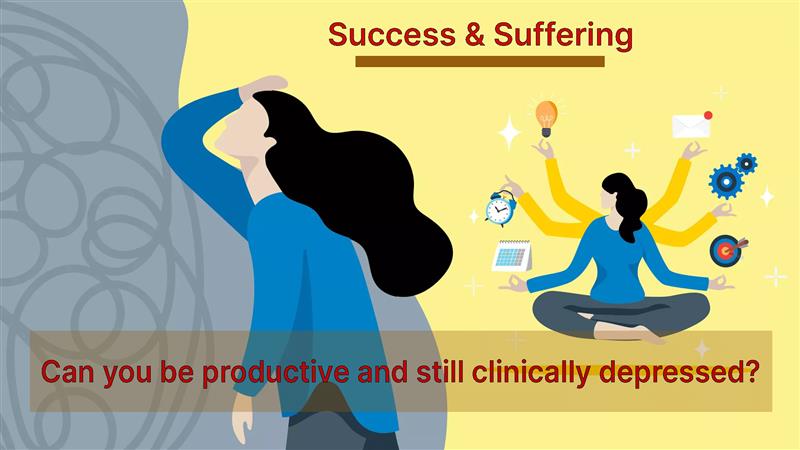
Traditional psychiatric frameworks tend to associate depression with visible dysfunction. However, HFD challenges this assumption. People affected may appear productive, resilient, and emotionally stable, yet internally struggle with chronic psychological burden.
Many describe themselves as simply “stressed” or “tired,” leading clinicians to attribute symptoms to burnout, personality traits, or external pressures rather than underlying depression.
This creates a dangerous diagnostic blind spot.
Why It Often Goes Undetected
Several factors contribute to the underdiagnosis of HFD:
- Preserved performance masks symptoms
- Stigma discourages help-seeking
- Screening tools may miss subtle, chronic symptoms
- Individuals may feel they are “not sick enough” to need care
High-achieving groups—such as professionals, students, and caregivers—are particularly vulnerable due to social expectations of resilience and self-sufficiency.
A Hidden Risk for Serious Mental Health Outcomes
Despite appearing stable, individuals with HFD face significant risks.
Prolonged untreated symptoms can progress to:
- Major depressive disorder
- Suicidal ideation
- Anxiety and substance use disorders
- Physical health issues, including cardiovascular and immune dysfunction
Because intervention is often delayed, many individuals only seek help during crisis stages.
Rethinking Mental Health Diagnosis
The authors argue that current diagnostic systems—such as DSM and ICD—fail to capture this “masked” form of depression.
They call for:
- Broader and more sensitive screening tools
- Recognition of subthreshold depression
- Greater cultural and occupational awareness in diagnosis
- More research on high-functioning populations
Ultimately, the study emphasizes that functionality does not equal mental wellness.
A Cultural Shift Is Needed
Beyond clinical reform, the article highlights a deeper societal issue: the tendency to equate success with well-being.
This cultural bias reinforces silence, discourages vulnerability, and perpetuates the invisibility of conditions like HFD.
Recognizing internal suffering—even when hidden behind achievement—is essential for improving mental health outcomes.
Why This Matters for GeneFit Readers
At GeneFit, where performance, aesthetics, and optimization are central, this research is especially relevant.
Many high-achieving individuals—entrepreneurs, athletes, clinicians, and biohackers—may unknowingly experience high-functioning depression while maintaining peak external performance.
This creates a critical blind spot:
- You may optimize your body but overlook your mental baseline
- Chronic stress and burnout can be misinterpreted as “normal high performance”
- Mental health biomarkers are rarely monitored alongside physical metrics
Integrating mental health screening into performance and wellness programs could be a next frontier for precision health—aligning perfectly with GeneFit’s mission.
Reference
Okereke, P. U., Umeh, C. V., Okereke, W. O., Ndayambaje, E., Obetta, C. C., Uzor, O. F., & Oduola, O. J. (2025). High-functioning depression: A hidden burden demanding clinical recognition. BJPsych Bulletin, 1–3. https://doi.org/10.1192/bjb.2025.10193
Disclaimer: The information on this website is for educational purposes only and does not constitute medical advice, diagnosis, or treatment. Content is based on publicly available scientific sources and does not replace consultation with a DHA-licensed healthcare professional. No claims are made that this information can prevent, diagnose, or cure any disease. Individual results may vary. GeneFit Clinics assumes no responsibility for any consequences arising from the use of this information.

Ready to unlock your potential?
Your body deserves better than guesswork.
Book a consultation to discover a personalised transformation experience, built on your unique biology and delivered with concierge-level care.