

How Birth Weight May Influence Sleep Patterns in Adulthood
Sleep health is fundamental to wellbeing—but did you know that factors from before birth may play a role in how well adults sleep decades later? A recent large study of Emirati adults sheds new light on this connection, suggesting that birth weight could influence certain sleep characteristics later in life.
Sleep health is fundamental to wellbeing—but did you know that factors from before birth may play a role in how well adults sleep decades later? A recent large study of Emirati adults sheds new light on this connection, suggesting that birthweight could influence certain sleep characteristics later in life.
What the Study Looked At
Researchers analyzed data from the United Arab Emirates Healthy Future Study (UAEHFS) including more than 2,100 Emirati adults aged 18–61 years. Participants reported their birthweight and answered questions about their current sleep patterns and problems, such as:
- Sleep duration
- Difficulty waking up
- Nap frequency
- Nighttime sleep difficulties
- Snoring
- Daytime tiredness or sleepiness
- Episodes of stopping breathing during sleep
Birthweights were grouped into:
- Low birth weight (LBW): less than 2.5 kg, and
- Normal birth weight: 2.5 kg or above.

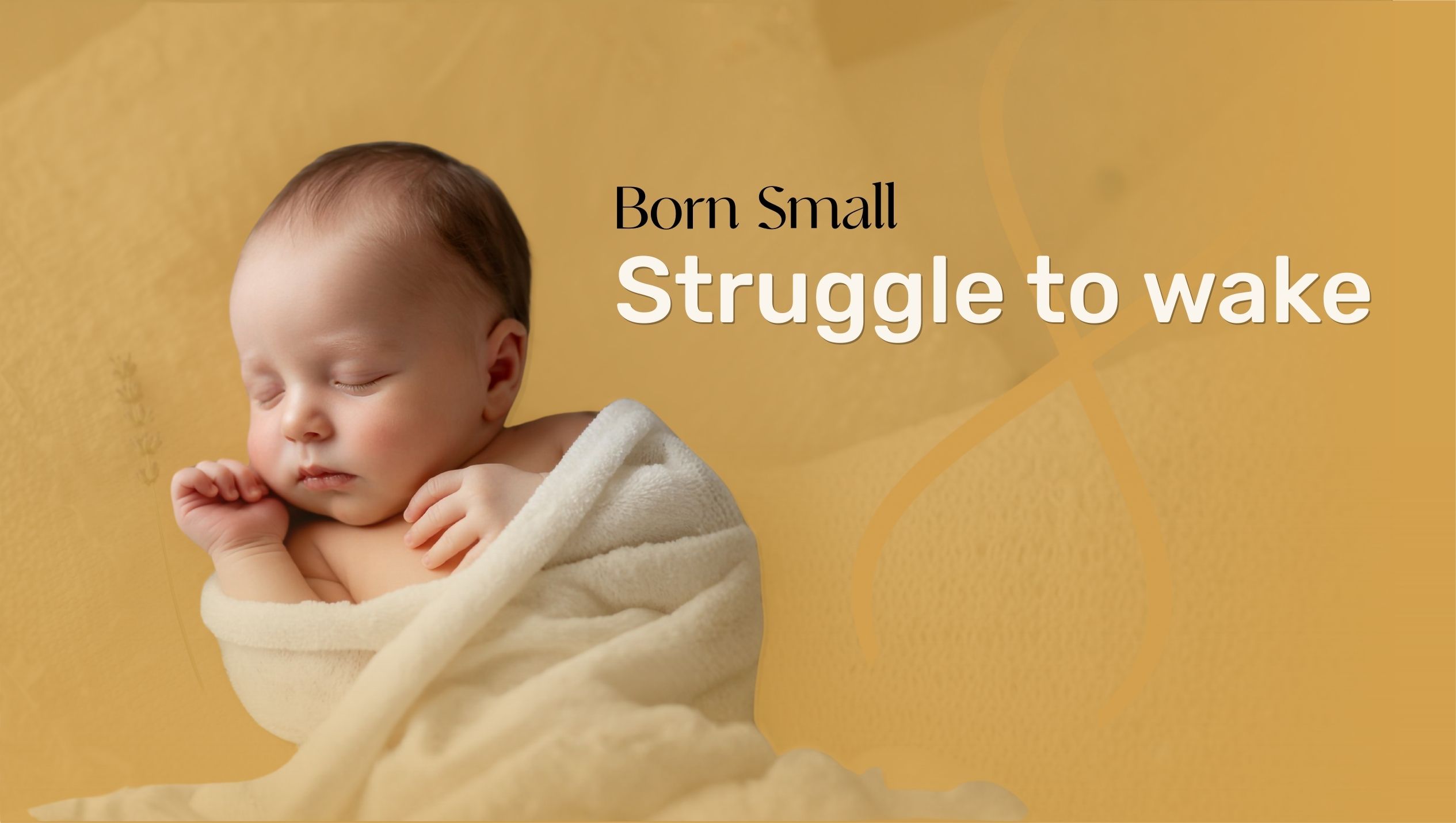
Key Finding: Waking Up May Be Harder for Those with Low Birth Weight
After adjusting for age, sex, and body mass index (BMI), the study found that adults who were born with low birth weight had a significantly higher chance—about 17% more—of reporting difficulty waking up in the morning than those born at normal weight.
This specific challenge—often referred to as sleep inertia—involves persistent grogginess, slower thinking, and reduced alertness immediately after waking.
Who Was Most Affected?
Interestingly, the association was particularly strong for women with a history of low birth weight. These women were more likely to report trouble waking up, even after accounting forage and BMI, suggesting possible sex-specific influences on how early life factors affect sleep later on.
What Didn’t Change?
The researchers did not find a clear link between birth weight and other common sleep issues, such as:
- Short or long sleep duration
- Frequent daytime napping
- Nighttime sleep problems
- Snoring
- Daytime sleepiness or tiredness
- Observed breathing pauses during sleep
Why This Matters for Health
Birth weight is a known marker of early-life development and prenatal environment. Findings like these suggest that early developmental factors might have lasting effects on biological rhythms and sleep regulation—connecting prenatal health to adult sleep patterns.
While more research is needed(especially studies using objective sleep measurements), this work points toward a lifelong view of sleep health, where early life and adult lifestyle both matter.
Implications for Clinics and Public Health
For clinicians and public health professionals, this study highlights
- The importance of considering birth history in sleep health assessment
- How early-life influences such as low birth weight may contribute to persistent sleep challenges
- The potential need for tailored sleep interventions for individuals with a history of low birth weight
Journal Reference:
Juber, N. F., Abdulle, A., Ahmad, A., Leinberger-Jabari, A., Al Dhaheri, A. S., Al-Maskari, F., AlAnouti, F., Al-Houqani, M., Hag Ali, M., El-Shahawy, O., Sherman, S., Shah, S. M., Loney, T., Idaghdour, Y., & Ali, R. (2023). Associations between birth weight and adult sleep characteristics: A cross-sectional analysis from the UAEHFS. Journal of Clinical Medicine, 12(17), 5618. https://doi.org/10.3390/jcm12175618
Disclaimer: The information on this website is for educational purposes only and does not constitute medical advice, diagnosis, or treatment. Content is based on publicly available scientific sources and does not replace consultation with a DHA-licensed healthcare professional. No claims are made that this information can prevent, diagnose, or cure any disease. Individual results may vary. GeneFit Clinics assumes no responsibility for any consequences arising from the use of this information.

Ready to unlock your potential?
Your body deserves better than guesswork.
Book a consultation to discover a personalised transformation experience, built on your unique biology and delivered with concierge-level care.