

How Capsaicin in Chili Peppers Impacts Digestive Health
A new scientific review published in Trends in Food Science & Technology explores how capsaicin—the compound responsible for the spicy taste of chili peppers—affects the gastrointestinal system. Researchers examined evidence from human and animal studies to better understand both the beneficial and harmful effects of capsaicin on digestion and gut health.
What is capsaicin?
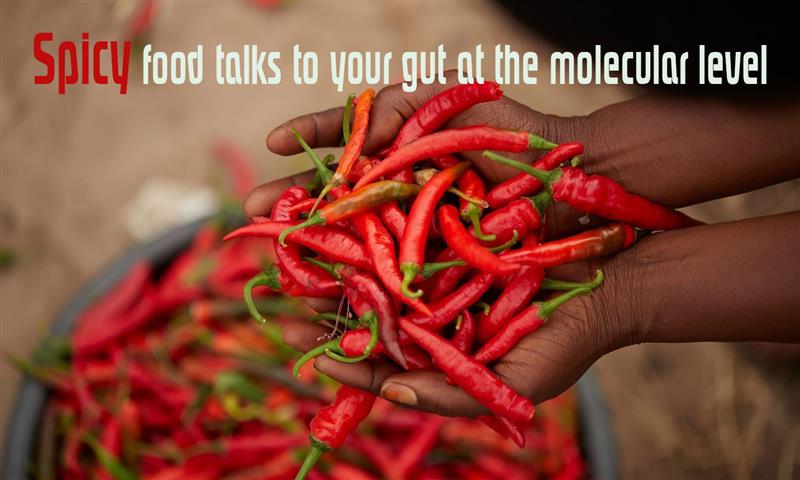
Capsaicin is the main bioactive compound in chili peppers and the source of their burning sensation. It activates a receptor in the body known as TRPV1, which is involved in pain perception, inflammation, and gut motility. This receptor is widely expressed along the gastrointestinal tract, meaning capsaicin can directly influence digestive processes.
Effects on the digestive system
According to the review, capsaicin can influence the gastrointestinal tract in several ways:
- It stimulates sensory nerves in the stomach and intestines, which can alter gut movement and secretion.
- High doses may cause symptoms such as stomach pain, heartburn, nausea, and diarrhea.
- It can affect the integrity of the intestinal lining and influence inflammatory responses.
- Capsaicin may also interact with the gut microbiota, potentially reshaping microbial composition and metabolic activity.

Potential health benefits
At moderate levels, capsaicin has been associated with several positive effects:
- Improved gut motility and digestion
- Anti-inflammatory and antioxidant properties
- Possible modulation of gut bacteria linked to metabolic and immune health
- Contribution to appetite regulation and energy metabolism
These effects suggest capsaicin could play a role in functional foods and dietary strategies aimed at improving gastrointestinal health.
Risks of excessive intake
The review also warns that excessive or frequent intake of spicy foods rich in capsaicin can irritate the gastrointestinal lining, particularly in individuals with sensitive stomachs, gastritis, or irritable bowel conditions. Chronic overexposure may increase discomfort and worsen digestive symptoms.
Why this matters
Understanding how capsaicin works at the molecular and physiological level helps scientists design safer dietary recommendations and supports the development of food products or supplements that harness its benefits while minimizing side effects.
The authors emphasize that capsaicin acts as a double-edged sword: beneficial at low to moderate doses but potentially harmful at high concentrations.
This comprehensive review highlights that chili peppers are more than just a source of heat—they actively interact with the digestive system through well-defined biological pathways. Future research will help determine optimal intake levels and identify who may benefit most from capsaicin-rich diets without risking gastrointestinal harm.
Reference
Zhang, L., Li, J., & Chen, J. (2021). Capsaicin—the spicy ingredient of chili peppers: A review of the gastrointestinal effects and mechanisms. Trends in Food Science & Technology, 117, 355–370. https://doi.org/10.1016/j.tifs.2021.09.020
Disclaimer: The information on this website is for educational purposes only and does not constitute medical advice, diagnosis, or treatment. Content is based on publicly available scientific sources and does not replace consultation with a DHA-licensed healthcare professional. No claims are made that this information can prevent, diagnose, or cure any disease. Individual results may vary. GeneFit Clinics assumes no responsibility for any consequences arising from the use of this information.

Ready to unlock your potential?
Your body deserves better than guesswork.
Book a consultation to discover a personalised transformation experience, built on your unique biology and delivered with concierge-level care.