

How Diet Shapes Brain Health and Mental Well-Being
A large study of more than 180,000 adults from the UK Biobank shows that dietary patterns are strongly linked to brain structure, cognitive performance, and mental health. People who followed a balanced diet rich in fruits, vegetables, whole grains, and healthy fats had better memory, improved mental well-being, and healthier brain structures. In contrast, less balanced diets, especially those low in fiber or overly restrictive, were associated with poorer cognitive outcomes and higher risk of mood disorders. The findings highlight the importance of a varied and balanced diet for long-term brain and mental health.
A large new study published in Nature Mental Health has found that the types of foods people naturally prefer are closely linked to brain structure, cognitive performance, and mental well-being. The research analyzed health and lifestyle data from more than 180,000 adults in the UK Biobank, making it one of the most comprehensive investigations of diet and brain health to date.
Rather than focusing on strict diets, scientists examined real-world eating patterns and identified four main dietary profiles.
Four Common Dietary Patterns
Researchers discovered that people tend to fall into one of four broad food preference groups:
- Low-starch diet – Higher intake of fruits, vegetables, and protein, with less bread, rice, and potatoes.
- Vegetarian-style diet – Mostly plant-based foods and limited animal products.
- High-protein, low-fiber diet – Greater consumption of meat and processed foods with fewer fruits and vegetables.
- Balanced diet – A mix of vegetables, fruits, whole grains, healthy fats, and moderate protein.
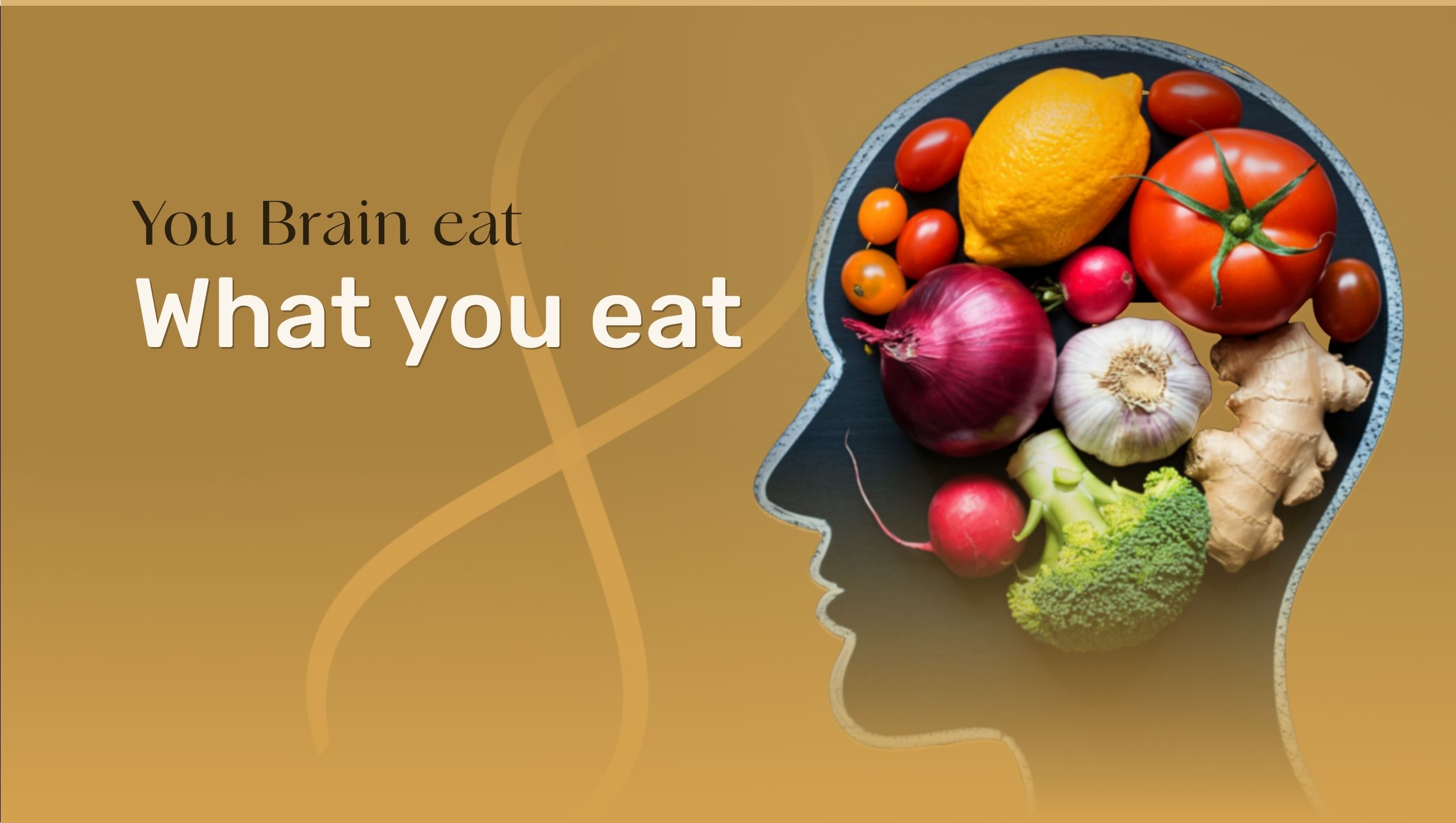
The Balanced Diet Was Linked to Better Brain Health
Participants who followed a balanced dietary pattern showed:
- Better performance on memory and thinking tests
- Fewer symptoms of anxiety and depression
- Larger volumes in brain regions associated with learning, emotion, and decision-making
These individuals also had healthier blood markers related to metabolism and inflammation, which may help protect the brain over time.
Less Balanced Diets Showed Higher Risks
Those with high-protein, low-fiber diets or more restrictive food patterns were more likely to show:
- Lower cognitive performance
- Higher levels of stress and mood disorders
- Less favorable metabolic and inflammatory markers
This suggests that not only what we eat, but the overall balance of nutrients plays an important role in long-term brain health.
Genetics Also Plays a Role
The study found that certain genetic factors are linked both to food preferences and to brain function. This indicates that diet, brain health, and mental well-being are interconnected through biological pathways involving metabolism, inflammation, and neural signaling.
What Does This Mean for Everyday Life?
The findings support a simple but powerful message:
A varied and balanced diet is one of the strongest lifestyle tools for protecting your brain and mental health.
Key components of a brain-friendly diet include:
- Fruits and vegetables
- Whole grains
- Healthy fats(such as olive oil and omega-3s)
- Lean protein sources
- Adequate fiber intake
Rather than following extreme or restrictive diets, maintaining nutritional balance appears to be more beneficial for both body and mind.
Reference
Zhang, R., Zhang, B., Shen, C., Sahakian, B. J., Li, Z., Zhang, W., … Cheng, W. (2024). Associations of dietary patterns with brain health from behavioral, neuroimaging, biochemical and genetic analyses. Nature Mental Health, 2(5), 535–552. https://doi.org/10.1038/s44220-024-00226-0
Disclaimer: The information on this website is for educational purposes only and does not constitute medical advice, diagnosis, or treatment. Content is based on publicly available scientific sources and does not replace consultation with a DHA-licensed healthcare professional. No claims are made that this information can prevent, diagnose, or cure any disease. Individual results may vary. GeneFit Clinics assumes no responsibility for any consequences arising from the use of this information.

Ready to unlock your potential?
Your body deserves better than guesswork.
Book a consultation to discover a personalised transformation experience, built on your unique biology and delivered with concierge-level care.