

How Hormonal Imbalances Drive Sarcopenic Obesity: Endocrinological Insights and Health Implications
• Sarcopenic obesity combines obesity with loss of muscle mass and function. • Hormonal imbalances — especially declines in anabolic hormones and rises in catabolic pathways — are central to its development. • These changes worsen inflammation, insulin resistance, and metabolic dysfunction. • Endocrine diseases can mimic and help explain the mechanisms of SO. • New hormonal therapies are promising but not yet clinically proven.
A new review identifies key hormonal drivers of sarcopenic obesity — a condition marked by simultaneous muscle loss and fat gain that accelerates metabolic dysfunction, disability, and disease risk.
A comprehensive review published in Annals of Medicine synthesizes the latest endocrinological research on sarcopenic obesity (SO), a complex condition defined by excess adiposity alongside diminished skeletal muscle mass and function. Traditionally associated with ageing, SO arises from intertwined metabolic, inflammatory, and hormonal dysfunctions that disrupt normal muscle–fat balance.
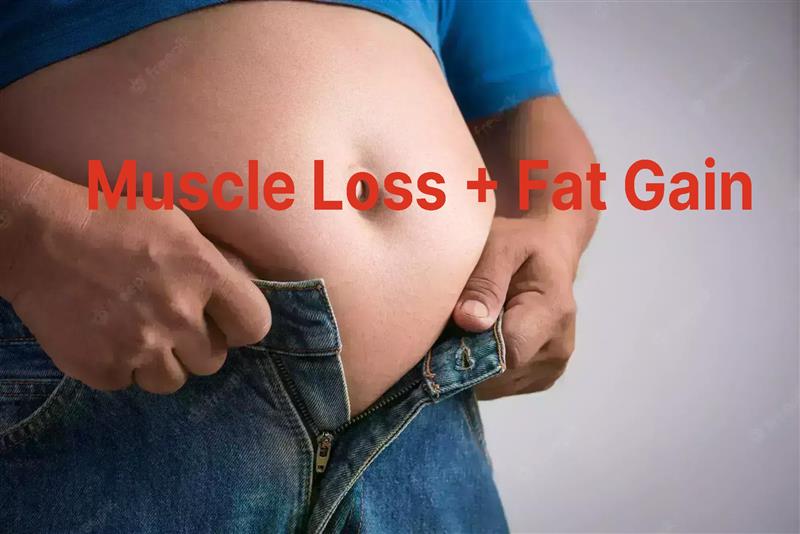
Unlike obesity or sarcopenia alone, SO represents a distinct clinical phenotype in which hormonal imbalances amplify the adverse effects of both conditions. Researchers highlight how age-related declines in anabolic hormones — including sex steroids (testosterone and estrogens), growth hormone (GH), insulin-like growth factor-1 (IGF-1), and thyroid hormones — impair muscle protein synthesis and promote fat accumulation. Concurrently, elevated catabolic signals such as glucocorticoids and overactive renin–angiotensin–aldosterone pathways increase insulin resistance and muscle degradation.
These hormonal alterations exacerbate mitochondrial dysfunction and low-grade chronic inflammation, further impairing adipose-muscle cross-talk. Evidence also suggests that elevated myostatin, a negative regulator of muscle growth, contributes to muscle catabolism and metabolic dysfunction.
The review emphasizes that certain endocrine disorders — such as hypogonadism, GH deficiency, hypothyroidism, Cushing syndrome, hyperaldosteronism, and diabetes — often mirror the phenotypic features of SO. These conditions serve as valuable clinical models for understanding the underlying hormonal mechanisms connecting obesity and muscle loss.
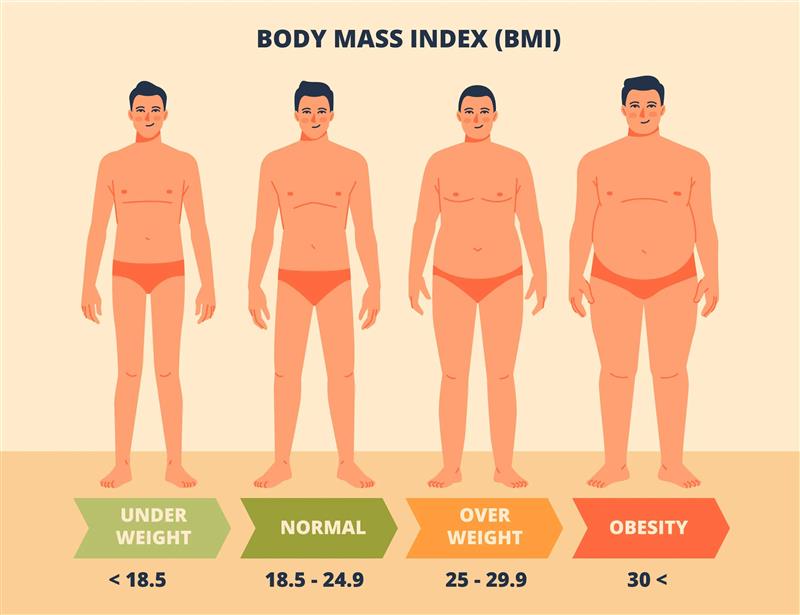
Importantly, emerging therapeutic avenues focusing on selective androgen receptor modulators (SARMs), myostatin inhibitors, and ghrelin analogues show promise in restoring anabolic–catabolic balance, though robust clinical validation is still needed.
Why This Matters for GeneFit Readers
Sarcopenic obesity represents a critical intersection of metabolic health, ageing, and functional decline — areas of direct relevance for GeneFit’s audience focused on evidence-based fitness and health optimization. Unlike conventional obesity, SO combines excess adiposity with loss of muscle quality, leading to higher cardiometabolic risk, impaired mobility, and greater susceptibility to chronic diseases. Understanding its endocrine underpinnings unveils why traditional weight-loss strategies alone often fall short, emphasizing the need for interventions that simultaneously support hormonal balance, muscle anabolism, and metabolic health.
For GeneFit readers, this research underscores the value of integrated approaches — including resistance training, tailored nutrition, and potentially future hormonal or molecular therapies — to mitigate SO’s impact, preserve muscle function, and improve long-term health outcomes.
Reference
Minnetti, M., Poggiogalle, E., Frigerio, F., Piciocchi, C., Pierantozzi, G., Di Vincenzo, O., Pinto, A., Gianfrilli, D., Isidori, A. M., & Migliaccio, S. (2026). Endocrinological aspects of sarcopenic obesity. Annals of Medicine, 58(1), Article 2626085. https://doi.org/10.1080/07853890.2026.2626085
Disclaimer: The information on this website is for educational purposes only and does not constitute medical advice, diagnosis, or treatment. Content is based on publicly available scientific sources and does not replace consultation with a DHA-licensed healthcare professional. No claims are made that this information can prevent, diagnose, or cure any disease. Individual results may vary. GeneFit Clinics assumes no responsibility for any consequences arising from the use of this information.

Ready to unlock your potential?
Your body deserves better than guesswork.
Book a consultation to discover a personalised transformation experience, built on your unique biology and delivered with concierge-level care.