

Intermittent Fasting vs Calorie Restriction: Which Is More Effective?
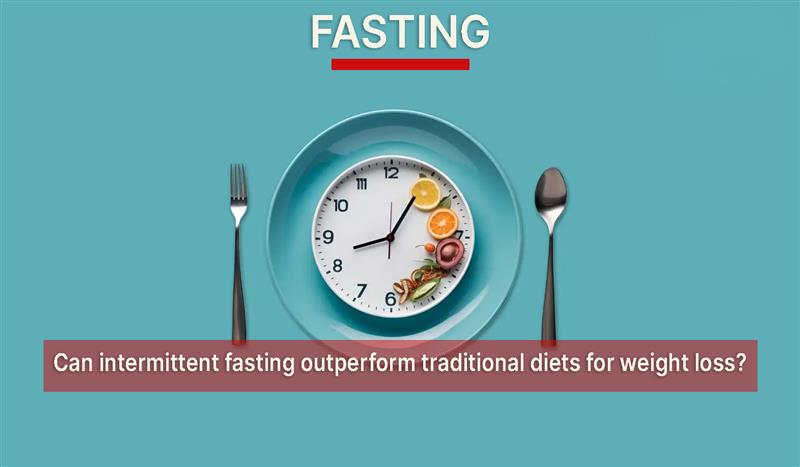
A 2026 Cochrane review finds that intermittent fasting can help with weight loss, but it is not more effective than traditional calorie restriction, with limited evidence on long-term outcomes.
A newly updated systematic review from the Cochrane Library is shedding fresh light on one of the most popular diet trends worldwide: intermittent fasting.
Published in 2026, the review titled “Intermittent fasting for adults with overweight or obesity” evaluates whether structured fasting patterns truly deliver meaningful weight loss and health benefits—or if the hype exceeds the evidence.
What Was Studied?
The research team analyzed clinical trials examining intermittent fasting strategies in adults with overweight or obesity. These included approaches such as:
- Alternate-day fasting
- Time-restricted eating
- Periodic fasting
The goal was to assess effects on:
- Body weight
- Metabolic health
- Safety and adverse effects
Key Findings
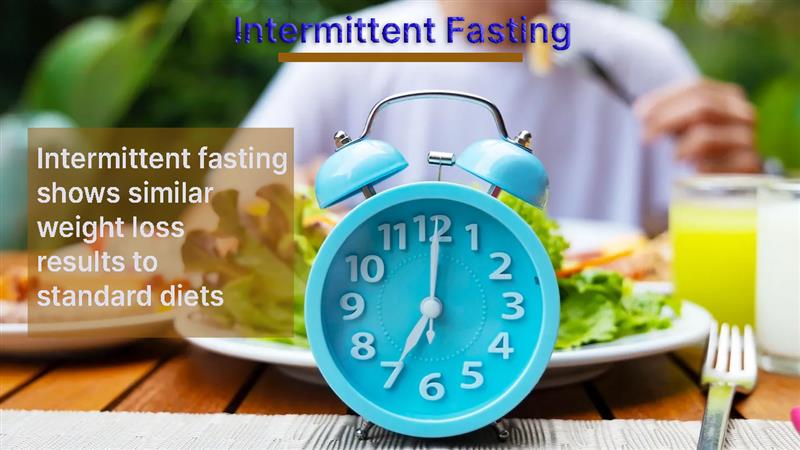
The evidence suggests that intermittent fasting can lead to weight loss, but not necessarily more than traditional calorie-restricted diets.
- Weight reduction outcomes were comparable to standard dieting approaches
- There is no strong evidence of superior long-term benefits
- Data on sustainability and adherence remain limited
Importantly, the certainty of evidence varies, with several outcomes rated as low to moderate certainty, highlighting ongoing uncertainty in the field
What About Safety?
The review found no major safety concerns in the short term, but:
- Long-term safety data are still insufficient
- Effects on specific populations (e.g., older adults, those with chronic disease) remain unclear
The Bigger Picture
While intermittent fasting is often marketed as a metabolic “shortcut,” this high-quality synthesis indicates that it is not a magic solution. Instead, its benefits appear to align with a fundamental principle: reducing overall calorie intake.
Why This Matters for GeneFit Readers
For GeneFit’s audience—who are often navigating between cutting-edge wellness trends and evidence-based practice—this study delivers a crucial reality check.
Intermittent fasting may still be a useful tool, especially for individuals who find structured eating windows easier to follow. However, this evidence reinforces that:
- There is no shortcut to fat loss
- Personalization matters more than trends
- Sustainable habits outperform restrictive strategies
For clinics like GeneFit, this supports a precision-based approach—combining nutrition, metabolic profiling, and lifestyle design—rather than relying on one-size-fits-all diet trends.
Reference
Garegnani, L. I., Oltra, G., Ivaldi, D., Burgos, M. A., Andrenacci, P. J., Rico, S., Boyd, M., Radler, D., Escobar Liquitay, C. M., & Madrid, E. (2026). Intermittent fasting for adults with overweight or obesity. Cochrane Database of Systematic Reviews, Issue 2, CD015610. https://doi.org/10.1002/14651858.CD015610.pub2
Disclaimer: The information on this website is for educational purposes only and does not constitute medical advice, diagnosis, or treatment. Content is based on publicly available scientific sources and does not replace consultation with a DHA-licensed healthcare professional. No claims are made that this information can prevent, diagnose, or cure any disease. Individual results may vary. GeneFit Clinics assumes no responsibility for any consequences arising from the use of this information.

Ready to unlock your potential?
Your body deserves better than guesswork.
Book a consultation to discover a personalised transformation experience, built on your unique biology and delivered with concierge-level care.