

Is Vitamin C Deficiency Making You Gain Weight? New Study Links It to Obesity and Metabolic Syndrome
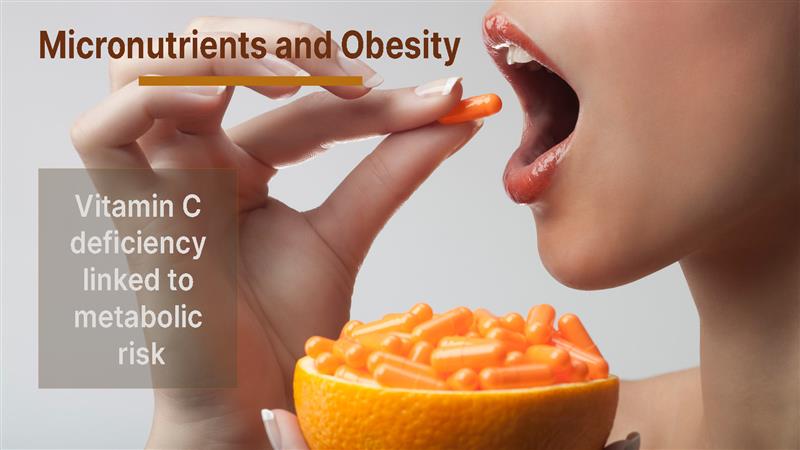
A new comprehensive review finds that low vitamin C levels are strongly associated with obesity, insulin resistance, and metabolic syndrome—suggesting a potentially overlooked factor in modern metabolic health.
A growing body of research is pointing to an unexpected player in the global obesity crisis: vitamin C deficiency.
In a new narrative review published in Nutrition Reviews, scientists examined the relationship between low vitamin C status and metabolic disorders, including obesity and metabolic syndrome. The findings suggest that inadequate levels of this essential micronutrient may be more than just a dietary issue—it could be a metabolic risk factor.

The Hidden Link Between Vitamin C and Obesity
The researchers highlight that individuals with obesity frequently exhibit lower circulating vitamin C levels compared to lean individuals. This deficiency may stem from poor dietary patterns, increased oxidative stress, or altered metabolism.
Importantly, vitamin C plays a key role in antioxidant defense, inflammation control, and fat metabolism. When levels drop, the body may become more vulnerable to chronic inflammation and metabolic dysfunction—both hallmarks of obesity.
Metabolic Syndrome and Insulin Resistance
The review also connects hypovitaminosis C with features of metabolic syndrome, including:
- Increased abdominal fat
- Elevated blood glucose
- Dyslipidemia
- Insulin resistance
Vitamin C appears to influence insulin sensitivity and glucose metabolism, meaning deficiency could worsen glycemic control and increase the risk of type 2 diabetes.
Cause or Consequence?
One of the key questions remains unresolved:
Is vitamin C deficiency causing metabolic disease, or is it a consequence of it?
The authors suggest the relationship is likely bidirectional. Obesity may increase vitamin C turnover and depletion, while low vitamin C may further exacerbate metabolic imbalance.
A Modern Nutrition Problem
With the rise of ultra-processed diets and reduced intake of fresh fruits and vegetables, vitamin C deficiency is becoming more common—even in developed regions.
The study underscores the importance of considering micronutrient status—not just calories—when addressing obesity and metabolic health.
Why This Matters for GeneFit Readers
This study reinforces a core GeneFit principle: metabolic health is not just about macronutrients—it’s deeply influenced by micronutrient status and individual biology.
For GeneFit:
- Genetic profiles may influence vitamin C absorption, utilization, and oxidative stress response
- Personalized nutrition plans should consider micronutrient deficiencies alongside calorie balance
- Testing and optimizing vitamin status could enhance weight management and metabolic outcomes
In short, this research supports a shift from “eat less, move more” → “optimize biology through precision nutrition.”
Reference
Wilson, R. B., et al. (2026). Relationship between hypovitaminosis C, obesity, and features of metabolic syndrome: A narrative review. Nutrition Reviews. https://doi.org/10.1093/nutrit/nuaf230
Disclaimer: The information on this website is for educational purposes only and does not constitute medical advice, diagnosis, or treatment. Content is based on publicly available scientific sources and does not replace consultation with a DHA-licensed healthcare professional. No claims are made that this information can prevent, diagnose, or cure any disease. Individual results may vary. GeneFit Clinics assumes no responsibility for any consequences arising from the use of this information.

Ready to unlock your potential?
Your body deserves better than guesswork.
Book a consultation to discover a personalised transformation experience, built on your unique biology and delivered with concierge-level care.