

Lifestyle Weight Loss Can Reduce Bone Density, New Scientific Review Finds
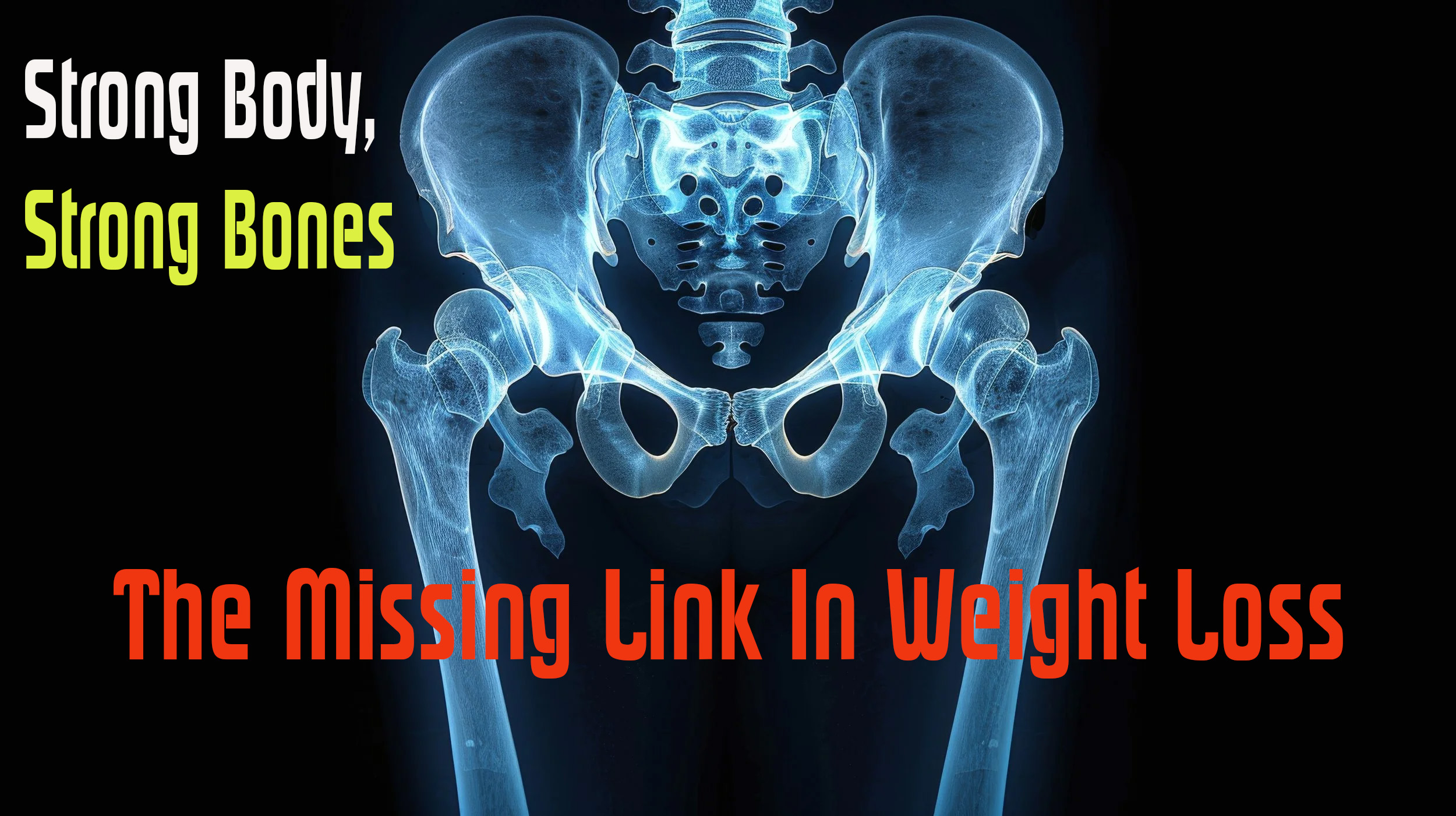
A new scientific review published in Obesity reveals that weight loss achieved through diet and lifestyle changes may unintentionally reduce bone density, increasing fracture risk unless protective strategies such as resistance exercise and proper nutrition are included.
Weight loss through lifestyle interventions such as calorie restriction and increased physical activity is widely recommended to reduce the risk of diabetes, heart disease, and other metabolic disorders. However, a new scientific review published in the journal Obesity highlights an often-overlooked consequence: weight loss can negatively affect bone health.
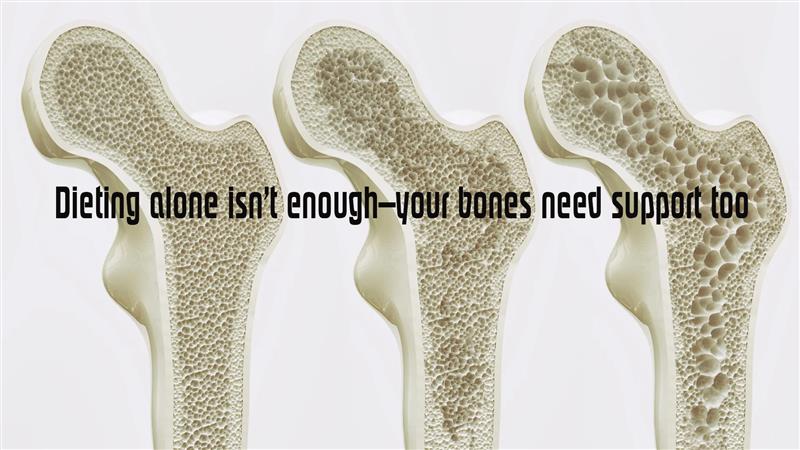
Researchers analyzed multiple clinical studies examining the effects of lifestyle-based weight loss on bone density and bone metabolism in adults with overweight or obesity. Their findings suggest that while fat mass decreases, bone mineral density—particularly at the hip—also declines, and markers of bone breakdown increase.
This reduction in bone strength may raise the risk of fractures, especially in older adults or in individuals who experience rapid or significant weight loss. The study emphasizes that the benefits of weight loss should be balanced with strategies that protect skeletal health.
Key Findings:
- Lifestyle-induced weight loss is associated with increased bone resorption and decreased bone mineral density.
- The hip region appears particularly vulnerable to bone loss during weight reduction.
- Rapid or large amounts of weight loss may further increase fracture risk.
- Protective strategies can reduce—but not completely prevent—bone loss.
How to Protect Bone Health During Weight Loss
The researchers highlight several approaches that may help preserve bone strength:
- Resistance and weight-bearing exercise (such as strength training or brisk walking)
- Adequate calcium intake
- Sufficient vitamin D levels
- Higher dietary protein intake
These interventions support muscle mass and skeletal integrity while individuals pursue healthier body weight goals.
Why This Matters for Genefit Readers
Many people focus solely on body weight and body fat percentage when starting a weight-loss program. This research shows that bone health should also be monitored, particularly in middle-aged and older adults.
Sustainable weight loss should not come at the expense of skeletal health.
Programs that integrate nutrition, physical activity, and bone-protective measures can help individuals achieve better long-term outcomes.
As global obesity rates continue to rise, lifestyle-based weight loss remains essential for improving metabolic health. However, this review makes it clear that comprehensive weight management plans must include strategies to preserve bone density. Future clinical guidelines may need to consider bone protection as a standard part of obesity treatment.
Reference
Shapses, S. A., Sukumar, D., & Schneider, S. H. (2024). Effects of lifestyle-induced weight loss on bone health in adults with overweight and obesity: A narrative review. Obesity, 32(1). https://doi.org/10.1002/oby.70047
Disclaimer: The information on this website is for educational purposes only and does not constitute medical advice, diagnosis, or treatment. Content is based on publicly available scientific sources and does not replace consultation with a DHA-licensed healthcare professional. No claims are made that this information can prevent, diagnose, or cure any disease. Individual results may vary. GeneFit Clinics assumes no responsibility for any consequences arising from the use of this information.

Ready to unlock your potential?
Your body deserves better than guesswork.
Book a consultation to discover a personalised transformation experience, built on your unique biology and delivered with concierge-level care.