

Long –Term Diabetes Can Weaken Blood Vessels
A new study from Sweden shows that having type 2 diabetes for many years can damage blood vessels by altering red blood cells. Researchers found higher levels of a molecule called microRNA-210-3p, which reduces the ability of blood vessels to relax properly. This discovery helps explain the increased risk of heart and circulation problems in people with long-term diabetes and points to new targets for future prevention.
A new scientific study from the Karolinska Institute in Sweden shows that having type 2 diabetes for many years can damage blood vessels through changes that occur inside red blood cells.
Researchers found that people who had lived with diabetes for more than seven years had higher levels of a small molecule called microRNA-210-3p in their red blood cells. This molecule interferes with normal blood vessel function and reduces the ability of blood vessels to relax properly — an important sign of healthy circulation.
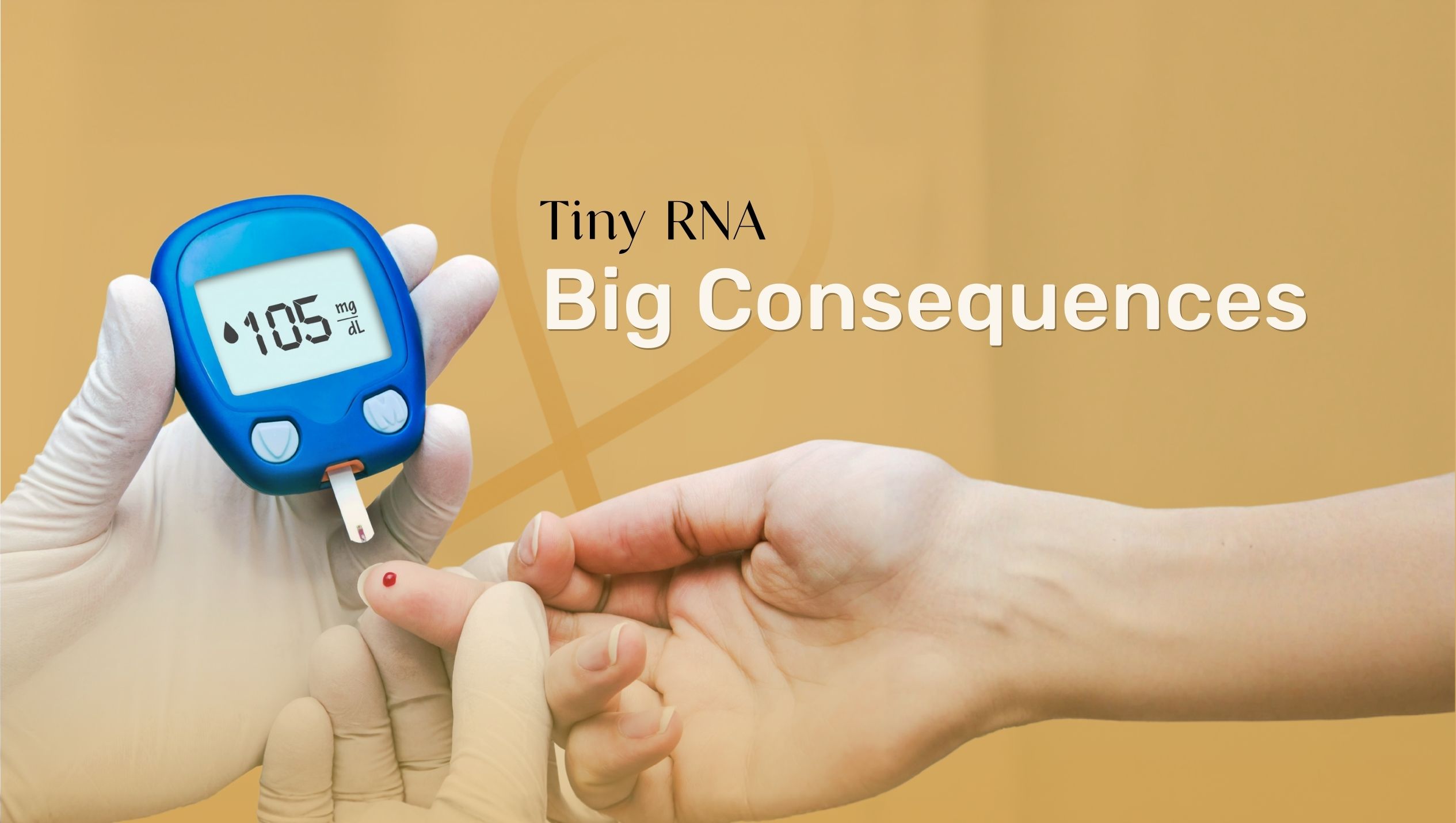
In laboratory experiments, blood vessels exposed to red blood cells from long-term diabetes patients showed poorer function compared with those exposed to red blood cells from newly diagnosed patients. When scientists artificially increased microRNA-210-3p in red blood cells from newly diagnosed patients, the same blood vessel problems appeared. This confirms that this molecule plays a direct role in damaging the blood vessels over time.
The study also showed that microRNA-210-3p affects a protein involved in energy production inside cells, which may explain how long-term diabetes gradually weakens vascular health.

These findings help explain why people with long-standing type 2 diabetes are at higher risk of heart disease and circulation problems, even when their blood sugar is under control. The researchers suggest that red blood cells are not just oxygen carriers but active contributors to diabetes-related vascular damage.
In the future, targeting this microRNA may open new ways to protect blood vessels and reduce cardiovascular complications in people with long-term type 2diabetes.
Reference
Kontidou, E., Collado, A., Humoud, R., Manickam, K., Tengbom, J., Jiao, T., Alvarsson, M., Yang, J., Mellbin, L., Mahdi, A., Pernow, J., & Zhou, Z. (2026). Long duration of type 2 diabetes drives erythrocyte-induced vascular endothelial dysfunction: A link to miRNA-210-3p. Diabetes. Advance online publication. https://doi.org/10.2337/db25-0463
Disclaimer: The information on this website is for educational purposes only and does not constitute medical advice, diagnosis, or treatment. Content is based on publicly available scientific sources and does not replace consultation with a DHA-licensed healthcare professional. No claims are made that this information can prevent, diagnose, or cure any disease. Individual results may vary. GeneFit Clinics assumes no responsibility for any consequences arising from the use of this information.

Ready to unlock your potential?
Your body deserves better than guesswork.
Book a consultation to discover a personalised transformation experience, built on your unique biology and delivered with concierge-level care.