

Mediterranean Diet Tied to Substantially Lower Stroke Risk in Women: Evidence from a Large Cohort Study
Following a Mediterranean-style diet — rich in fruits, vegetables, legumes, fish, and olive oil — is associated with a significantly reduced risk of all major stroke types in women, based on long-term follow-up of more than 105,000 participants. The study highlights potentially meaningful dietary influences on neurological health, though it does not establish causation.
A new large-scale study published in Neurology® Open Access found that women who closely follow a Mediterranean-style diet appear to have a significantly lower risk of suffering any type of stroke — including both ischemic and hemorrhagic subtypes — compared with women who stick to diets that resemble more of a “pizza and soda” pattern than, say, an olive grove picnic.
Researchers analysed dietary patterns and long-term health outcomes in 105,614 women with no prior history of stroke over an average of about 21 years, finding that those with the highest adherence to the Mediterranean diet had 18 % lower overall stroke risk compared with those with the lowest adherence. The diet emphasizes fruits, vegetables, legumes, fish, and healthy fats such as olive oil, and limits red meat and saturated fats — basically foods that would make your cardiologist and neurologist both smile.
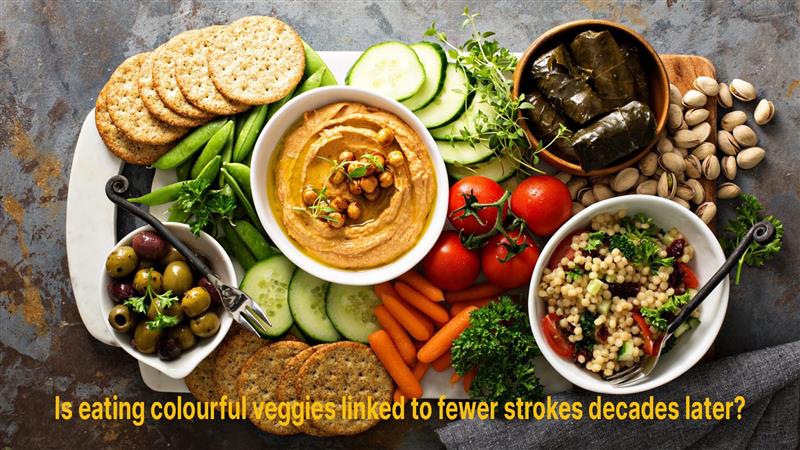
Key findings:
- Women with the strongest Mediterranean diet adherence had an 18 % lower total stroke risk compared with low-adherence peers.
- The reduction in ischemic stroke (caused by blood clots) was 16 %, while the decrease in hemorrhagic stroke (caused by bleeding in the brain) was an impressive 25 % — which might make even the most stubborn salad skeptic reconsider their food choices.
Researchers assigned each participant a Mediterranean diet score (from 0 to 9) based on self-reported intake of key food groups. Those with higher scores — meaning diet choices closer to the Mediterranean ideal — had significantly fewer stroke events during the decades-long follow-up.
Although the study cannot prove that the diet causes lower stroke risk, it builds strong evidence for an association between food choices and long-term brain health — potentially turning that garden salad from “rabbit food” into a serious neurological asset.
Of course, researchers noted some limitations: diet was assessed at the start of the study and based on self-reporting, meaning memory lapses and occasional pizza nights might have blurrier edges than we’d like.
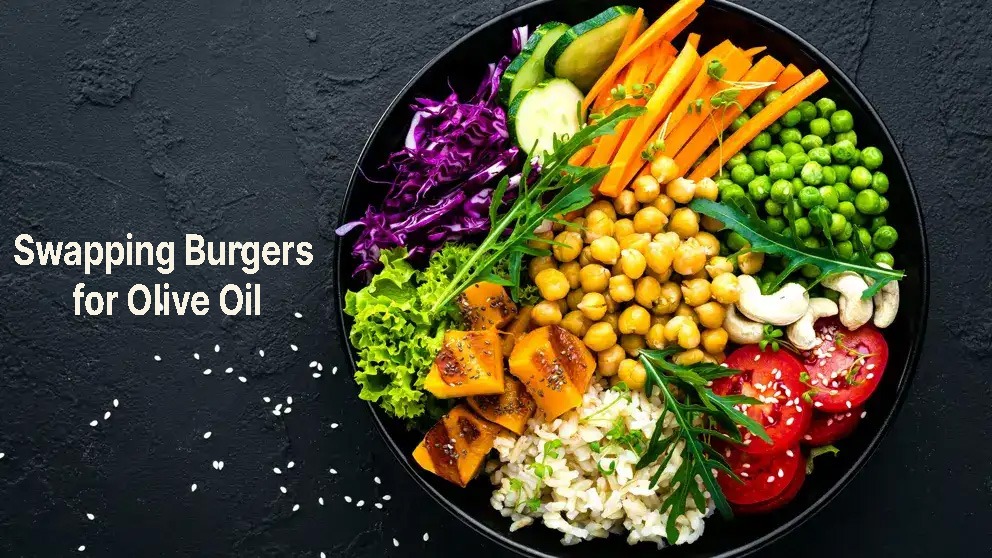
In summary, this research reinforces the idea that eating more like people from sunny Mediterranean regions — where olive oil flows like wine and vegetables outnumber traffic lights — may help protect women’s brains over the long term.
Why This Matters for GeneFit Readers
Stroke is a leading cause of disability and death worldwide, and traditional risk factors like high blood pressure and smoking are well-known targets for prevention. Nutrition, however, often flies under the radar in discussions about neurological risk. This study adds compelling evidence that long-term dietary patterns — specifically a Mediterranean-style diet — are linked with meaningful reductions in stroke risk in women. For GeneFit readers who care about brain health and functional longevity, the findings suggest that food choices aren’t just fuel — they’re potential tools for protecting your neural circuits over decades.
Reference
Sherzai, A. Z., Cauble, E. L., Spielfogel, E. S., Willey, J. Z., Gu, Y., Scarmeas, N., Lacey, J. V., Sherzai, D., Elkind, M. S. V., & Wang, S. S. (2026). Mediterranean diet and the risk of stroke subtypes in women: The California Teachers Study. Neurology Open Access, 2(1), e000062. https://doi.org/10.1212/WN9.0000000000000062
Disclaimer: The information on this website is for educational purposes only and does not constitute medical advice, diagnosis, or treatment. Content is based on publicly available scientific sources and does not replace consultation with a DHA-licensed healthcare professional. No claims are made that this information can prevent, diagnose, or cure any disease. Individual results may vary. GeneFit Clinics assumes no responsibility for any consequences arising from the use of this information.

Ready to unlock your potential?
Your body deserves better than guesswork.
Book a consultation to discover a personalised transformation experience, built on your unique biology and delivered with concierge-level care.