

Menopause and Obesity: Why Weight Gain Accelerates, and What Actually Works
A new review highlights how menopause drives fat redistribution and weight gain, increasing cardiometabolic risks. It also evaluates the most effective interventions, from lifestyle strategies to GLP-1 medications and bariatric surgery.
A growing body of evidence shows that menopause is not just a hormonal transition, it is a metabolic turning point. A new 2026 review published in American Society for Metabolic and Bariatric Surgery journal explores how obesity develops and worsens during the menopausal transition, and what can be done about it.
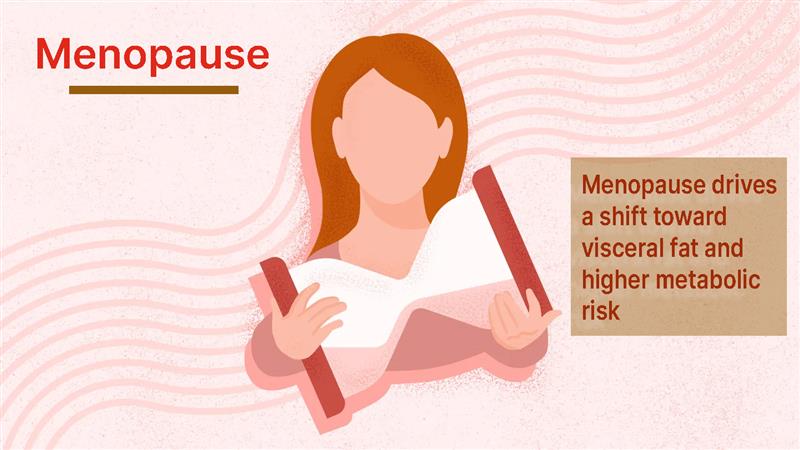
Researchers report that menopause is associated with a shift from a “pear-shaped” fat distribution (gynecoid) to a more dangerous “apple-shaped” (android) pattern. This change leads to increased abdominal and visceral fat, key drivers of cardiometabolic disease and cancer risk.
The scale of the issue is significant. According to the review, obesity affects up to 43% of women during and after menopause, making it one of the most critical health challenges in midlife.
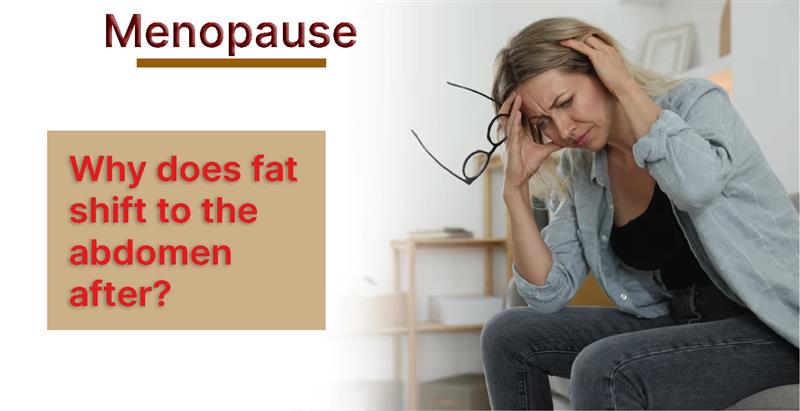
Beyond weight gain, menopause-related obesity worsens a range of symptoms, including:
- Sleep disturbances
- Mood changes
- Sexual dysfunction
These overlapping effects create a compounding health burden that requires targeted management.
What actually works?
The study outlines a multi-layered approach to managing obesity during menopause:
- Lifestyle Interventions
Behavioral changes, nutrition, physical activity, and sleep optimization, remain foundational. However, hormonal shifts make weight loss harder, meaning standard approaches may need intensification.
- Medical Therapies
The review highlights the growing role of GLP-1 receptor agonists, which have shown strong effectiveness in weight reduction and metabolic improvement in midlife women.
- Bariatric Surgery
For selected patients, bariatric surgery is described as both safe and effective, leading to significant and sustained weight loss in postmenopausal women.
- Hormone Therapy Considerations
Hormone replacement therapy (HRT) may play a role but requires careful personalization, especially in women with obesity due to altered risk profiles.
A shift in clinical thinking
The key takeaway from this review is that menopause-related obesity is not simply lifestyle-driven, it is biologically programmed. As a result, treatment strategies must evolve beyond generic advice toward precision-based, multi-modal care.
Why This Matters for GeneFit Readers
For GeneFit, this study reinforces a major clinical opportunity:
- Menopause is a high-risk metabolic window → ideal for targeted intervention programs
- Body composition shifts (visceral fat) → aligns with GeneFit technologies like Emsculpt and metabolic tracking
- GLP-1 + device-based treatments → strong potential for combined protocols
- Personalized programs (sleep, hormones, fat distribution) → key differentiator for premium clinics
This is not just weight gain, it’s a reprogramming of metabolism, and clinics that address it holistically will lead the market.
Reference
Allen, J. T., Zahler-Miller, C., Lough, M., & Titus, H. (2026). Management of obesity in the menopause transition and postmenopausal period. Surgery for Obesity and Related Diseases. Advance online publication. https://doi.org/10.1016/j.soard.2026.01.015
Disclaimer: The information on this website is for educational purposes only and does not constitute medical advice, diagnosis, or treatment. Content is based on publicly available scientific sources and does not replace consultation with a DHA-licensed healthcare professional. No claims are made that this information can prevent, diagnose, or cure any disease. Individual results may vary. GeneFit Clinics assumes no responsibility for any consequences arising from the use of this information.

Ready to unlock your potential?
Your body deserves better than guesswork.
Book a consultation to discover a personalised transformation experience, built on your unique biology and delivered with concierge-level care.