

Metabolic Inflammation May Speed Up Brain Aging and Harm Cognition
A new large-scale study published in eBioMedicine (The Lancet) reveals that metabolic inflammation is linked to accelerated brain aging and poorer cognitive performance. The findings suggest that chronic low-grade inflammation associated with obesity and metabolic disorders may directly affect brain health and mental function.
A new scientific study published in eBioMedicine, part of the Lancet journal family, has found compelling evidence that metabolic inflammation is associated with accelerated brain aging and reduced cognitive performance.
Researchers investigated how chronic low-grade inflammation—commonly seen in obesity, insulin resistance, and metabolic syndrome—relates to changes in brain structure and cognitive abilities. Using advanced neuroimaging and blood-based inflammatory markers, the team identified a strong link between elevated inflammatory activity and signs of an “older-looking” brain.
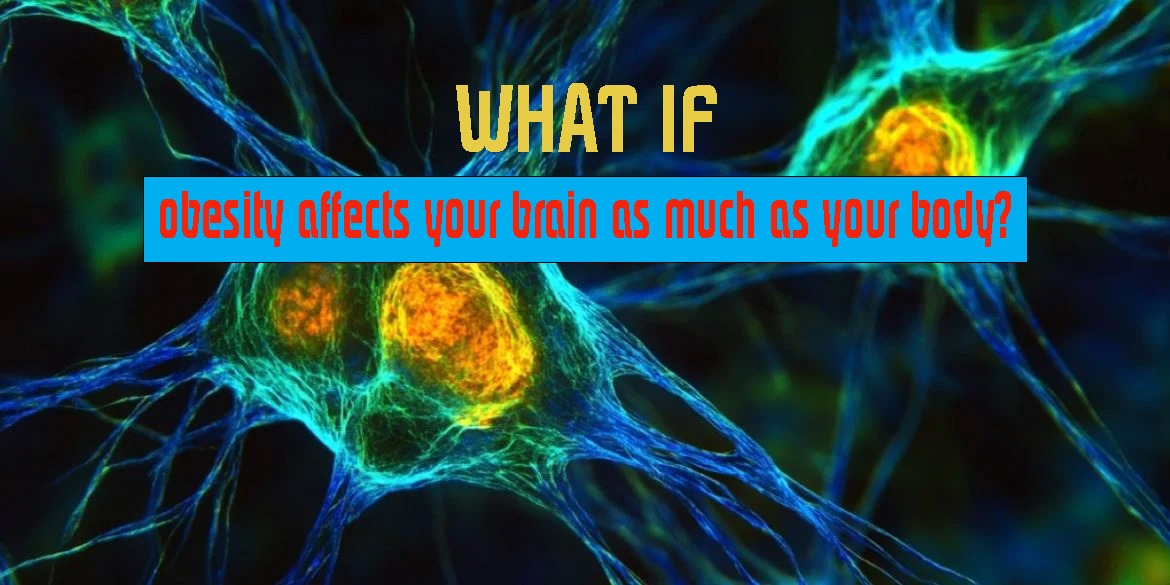
Brain Age as a Biological Marker
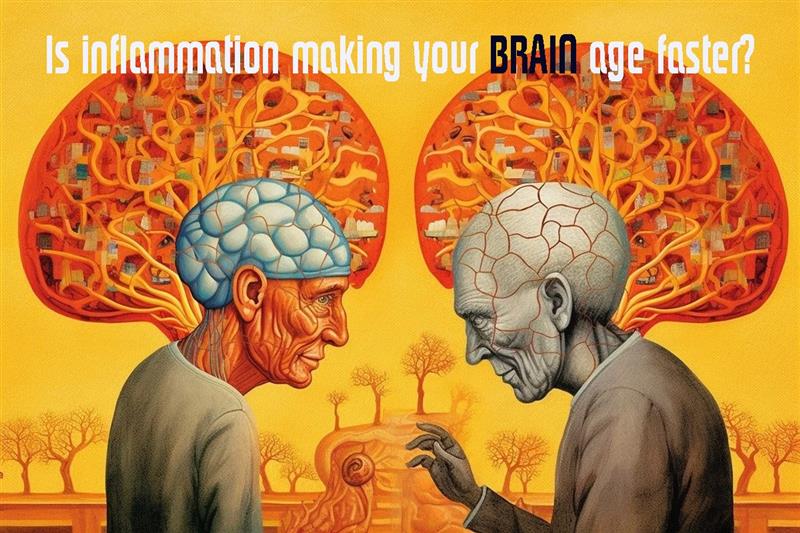
The scientists applied a brain age prediction model derived from MRI scans to estimate how old a person’s brain appeared biologically compared to their chronological age. Participants with higher levels of metabolic inflammation showed significantly higher brain age gaps—meaning their brains appeared older than expected for their actual age.
This accelerated brain aging was also associated with weaker performance in several cognitive domains, including:
- Memory
- Processing speed
- Executive function
- Attention
These effects were observed even in middle-aged adults, suggesting that metabolic inflammation may influence brain health long before clinical dementia develops.
A Possible Biological Pathway
The study highlights inflammation as a potential biological mechanism connecting metabolic health to brain decline. Chronic inflammatory processes can disrupt blood–brain barrier integrity, impair neuronal communication, and contribute to neurodegeneration over time.
Importantly, the findings support the growing concept that diseases traditionally viewed as “metabolic,” such as obesity and type 2 diabetes, may also be neurological risk factors.
Implications for Prevention
Because metabolic inflammation is modifiable through lifestyle and medical interventions, the researchers suggest that targeting inflammation could become a strategy to protect cognitive health. Improved diet quality, physical activity, weight management, and metabolic control may not only benefit the heart and metabolism but also help preserve brain function.
The authors emphasize that further longitudinal and interventional studies are needed to determine whether reducing inflammation can slow brain aging and lower the risk of cognitive decline.
Why This Matters for GeneFit Readers
For GeneFit users focused on personalized nutrition and genetic health, this study shows that metabolic inflammation may silently age the brain and reduce mental performance long before disease appears. It reinforces the importance of managing inflammation through tailored diet, physical activity, and metabolic monitoring. Understanding one’s genetic susceptibility to inflammation could help design targeted lifestyle strategies to protect both body and brain health.
Reference
Maurer, L., Kozarzewski, L., Haberbosch, L., Flöel, A., Haynes, J.-D., Spranger, J., Mai, K., & Weygandt, M. (2026). Metabolic inflammation, brain age and cognitive functioning in short- and long-term clinical weight loss trials. eBioMedicine, 123, 106064. https://doi.org/10.1016/j.ebiom.2025.106064
Disclaimer: The information on this website is for educational purposes only and does not constitute medical advice, diagnosis, or treatment. Content is based on publicly available scientific sources and does not replace consultation with a DHA-licensed healthcare professional. No claims are made that this information can prevent, diagnose, or cure any disease. Individual results may vary. GeneFit Clinics assumes no responsibility for any consequences arising from the use of this information.

Ready to unlock your potential?
Your body deserves better than guesswork.
Book a consultation to discover a personalised transformation experience, built on your unique biology and delivered with concierge-level care.