

Scientists Reveal: Tea May Protect the Heart and Brain — But Sugary Tea Drinks Could Do the Opposite
Scientists report that tea may protect the heart, brain, and metabolism. But sweetened bottled and bubble tea drinks could cancel out these benefits and increase health risks.
Drinking tea may be far more powerful than many people realize. A new large scientific review published in Beverage Plant Research reports that regular tea consumption is linked to major health benefits for the heart, brain, and metabolism — while warning that modern sweetened tea drinks could quietly increase health risks.
Tea, made from the leaves of Camellia sinensis, is one of the most popular beverages on Earth. Scientists examined evidence from population studies, clinical trials, and laboratory research to understand how tea affects the human body.
Their conclusion: not all tea is created equal.
Tea and the Heart: A Natural Shield
According to the review, people who regularly drink tea — especially green tea — show lower risks of cardiovascular disease, obesity, and type 2 diabetes. Key compounds called catechins and polyphenols help regulate cholesterol levels, improve insulin sensitivity, and reduce oxidative stress.
In simple terms, tea appears to support the body’s natural defense systems against some of today’s most common chronic diseases.

Brain and Muscle: Protection Against Aging
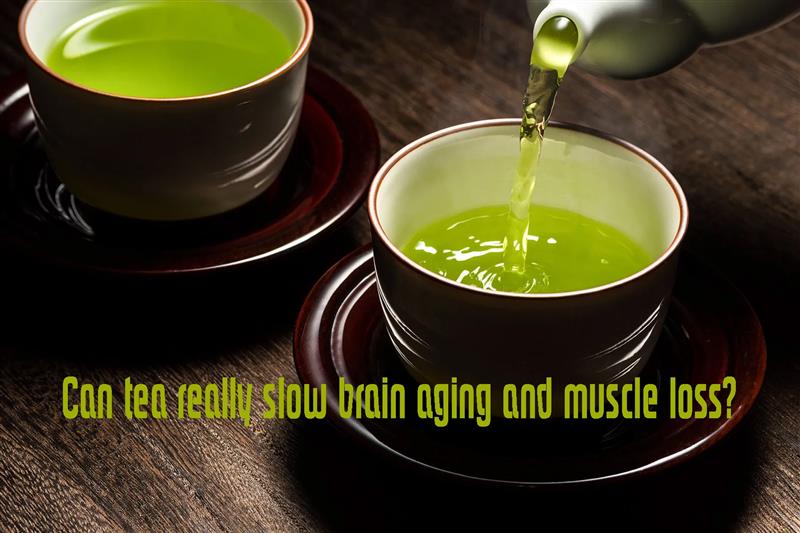
The benefits may go beyond the heart. Researchers found growing evidence that tea consumption could help slow cognitive decline and muscle loss with aging.
Tea’s bioactive molecules seem to protect neurons, reduce inflammation in brain tissue, and support muscle maintenance — offering a possible dietary strategy for healthier aging.
Fighting Germs and Inflammation
Laboratory studies also show that tea extracts can fight certain bacteria and viruses while calming inflammation. These antimicrobial and antioxidant effects may explain why tea has long been used in traditional medicine across many cultures.
However, scientists stress that large human trials are still needed to confirm these effects outside the lab.
When Tea Turns Into a Health Risk
The review delivers a strong warning about bottled and bubble tea products now widely consumed worldwide.
Many of these drinks contain:
- High levels of added sugar
- Artificial flavorings and preservatives
- Very little of tea’s original beneficial compounds
Instead of protecting health, these beverages may increase the risk of obesity and metabolic disorders — effectively turning a healthy drink into a hidden sugar bomb.
Researchers also point to other concerns:
- Trace amounts of pesticides or heavy metals in some tea products
- Reduced absorption of non-heme iron, which may be risky for people with anemia
Final Message from Scientists
The authors conclude that moderate intake of traditionally brewed tea is generally beneficial, but preparation matters. What people add to their tea — sugar, syrups, or artificial ingredients — may determine whether tea heals or harms.
Future long-term studies will help define how much tea is optimal and which types offer the greatest protection.
Why This Matters for GeneFit Readers
For GeneFit readers focused on precision nutrition and long-term health, this study sends a clear message: simple daily choices matter. Replacing sugary beverages with traditionally brewed tea may support metabolism, protect the brain, and reduce inflammation. At the same time, understanding how tea interacts with iron absorption and environmental contaminants allows individuals to make smarter, gene-informed dietary decisions rather than assuming all “tea drinks” are healthy by default.
Reference
Yang, M., Zhou, L., Kan, Z., Fu, Z., Zhang, X., & Yang, C. S. (2025). Beneficial health effects and possible health concerns of tea consumption: A review. Beverage Plant Research, 5, e035. https://doi.org/10.48130/bpr-0025-0036
Disclaimer: The information on this website is for educational purposes only and does not constitute medical advice, diagnosis, or treatment. Content is based on publicly available scientific sources and does not replace consultation with a DHA-licensed healthcare professional. No claims are made that this information can prevent, diagnose, or cure any disease. Individual results may vary. GeneFit Clinics assumes no responsibility for any consequences arising from the use of this information.

Ready to unlock your potential?
Your body deserves better than guesswork.
Book a consultation to discover a personalised transformation experience, built on your unique biology and delivered with concierge-level care.