

Scientists Sound Alarm: Ultra-Processed Foods Could Be Damaging Your Heart Faster Than You Think
A new clinical consensus statement published in the European Heart Journal warns that ultra-processed foods are strongly linked to cardiovascular disease, obesity, diabetes, and metabolic dysfunction. European experts are urging healthcare systems and individuals to rethink modern eating habits before the long-term consequences become irreversible.
For years, ultra-processed foods were marketed as modern convenience. Fast, affordable, tasty, and everywhere. But according to a new clinical consensus statement published in the European Society of Cardiology journal European Heart Journal, these foods may now represent one of the biggest preventable threats to cardiovascular health worldwide.
The report, titled Ultra-processed foods, lifestyle management, and cardiovascular diseases, was published in May 2026 and reflects growing concern among European cardiovascular experts about the role of industrialized diets in the rise of obesity, diabetes, hypertension, stroke, and coronary artery disease.
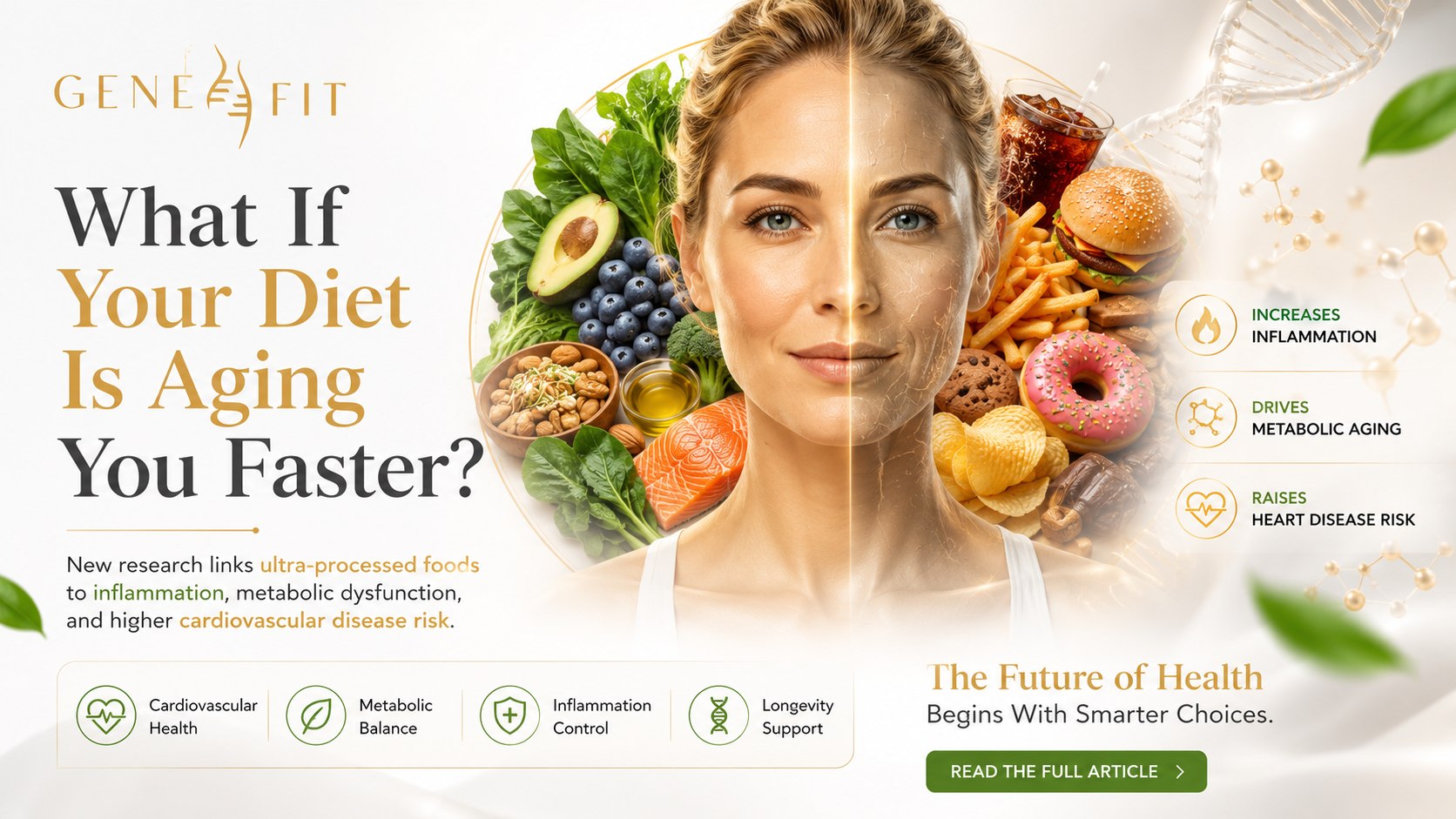
Ultra-processed foods, commonly referred to as UPFs, include products such as packaged snacks, sugary cereals, processed meats, soft drinks, instant meals, fast food items, and many heavily modified supermarket products. These foods are typically engineered for convenience, long shelf life, and hyper-palatability rather than nutritional quality.
According to the consensus statement, diets rich in UPFs are associated with increased cardiovascular risk through several overlapping mechanisms. These foods are often high in refined sugars, unhealthy fats, sodium, and artificial additives while lacking fiber, micronutrients, and bioactive compounds essential for metabolic health. Over time, this combination may promote chronic inflammation, insulin resistance, endothelial dysfunction, weight gain, and vascular damage.

Roza Boutros
Clinical DietitianAs a clinical dietitian, I strongly welcome this consensus statement from the European Society of Cardiology highlighting the important role of ultra-processed foods in cardiovascular health. In clinical practice, high intake of these foods is consistently linked to insulin resistance, chronic inflammation, obesity, and other metabolic disturbances that increase cardiovascular risk. This report importantly emphasizes that food quality and processing level matter just as much as calories or nutrients alone. From a clinical perspective, the goal should be helping patients adopt sustainable eating patterns based on whole, minimally processed foods and healthier lifestyle habits. This multidisciplinary approach reflects what we increasingly see in everyday cardiovascular prevention.
Researchers emphasized that obesity remains one of the strongest cardiovascular risk amplifiers globally. Previous European Heart Journal analyses have shown that excess adiposity is causally associated with coronary heart disease, heart failure, atrial fibrillation, stroke, hypertension, and thromboembolic disease.
The concern is no longer limited to calories alone. Increasingly, scientists believe food structure and processing methods themselves may influence disease risk. Highly processed diets may alter gut microbiota, appetite regulation, glucose metabolism, and inflammatory signaling in ways that extend beyond simple overeating.
The statement also highlights how modern lifestyles intensify the problem. Sedentary behavior, sleep disruption, chronic stress, and aggressive food marketing may interact with ultra-processed diets to accelerate cardiometabolic disease progression. Experts argue that prevention strategies must move beyond individual willpower and address broader environmental and societal drivers.
Importantly, the report does not advocate for perfection or extreme restriction. Instead, it encourages gradual dietary shifts toward minimally processed foods including vegetables, legumes, fruits, whole grains, nuts, olive oil, fish, and other components commonly associated with Mediterranean-style eating patterns.

Dr. Maryam Mafi
BiotechnologistUltra-processed foods can be understood through human genetics and evolutionary mismatch. Modern industrialized lifestyles, including processed foods, stress, and inactivity, drive rising obesity and heart disease. However, genetic background causes unequal responses: some people are more prone to fat accumulation, poor metabolism, or inflammation. Thus, similar diets can lead to different health outcomes. While modern food environments amplify genetic risks, small lifestyle changes (healthier meals, exercise, supportive social circles) still benefit long-term health. Interestingly, genetics also influence behaviors like appetite, cravings, stress response, and motivation for exercise, highlighting the growing importance of personalized nutrition in preventive medicine.
Evidence supporting these approaches continues to grow. Recent population studies discussed widely online this year found that strong adherence to healthy plant-based dietary patterns was associated with substantially lower coronary heart disease risk, even among people with elevated genetic susceptibility.
Cardiologists are increasingly framing obesity and cardiovascular disease not simply as isolated medical conditions, but as consequences of long-term metabolic disruption driven by modern food environments. The consensus statement calls for stronger public health policies, improved nutrition education, clearer food labeling, and multidisciplinary prevention strategies.
The message from European experts is becoming difficult to ignore: the future of cardiovascular health may depend as much on what happens in grocery stores and kitchens as it does in hospitals and clinics.
Why This Matters for GeneFit Readers
For GeneFit readers, this research reinforces a critical shift happening in preventive medicine: cardiovascular risk is no longer viewed only through cholesterol numbers or body weight. Nutrition quality, food processing, inflammation, metabolic flexibility, gut microbiome health, sleep, and genetic predisposition are becoming deeply interconnected parts of personalized health assessment.
This is especially relevant for precision medicine and genetic testing. Two individuals may consume similar diets but respond very differently based on genetics, metabolic status, insulin sensitivity, inflammatory pathways, and microbiome composition. Personalized health strategies that combine genomic insights with nutrition and lifestyle interventions may become increasingly important in reducing long-term cardiovascular risk.
Reference
Guasti, Luigina, et al. (2026). Ultra-processed foods, lifestyle management, and cardiovascular diseases: A clinical consensus statement of the European Society of Cardiology Council for Cardiology Practice and the European Association of Preventive Cardiology of the European Society of Cardiology. European Heart Journal. Advance online publication. https://doi.org/10.1093/eurheartj/ehag226
Disclaimer: The information on this website is for educational purposes only and does not constitute medical advice, diagnosis, or treatment. Content is based on publicly available scientific sources and does not replace consultation with a DHA-licensed healthcare professional. No claims are made that this information can prevent, diagnose, or cure any disease. Individual results may vary. GeneFit Clinics assumes no responsibility for any consequences arising from the use of this information.

Ready to unlock your potential?
Your body deserves better than guesswork.
Book a consultation to discover a personalised transformation experience, built on your unique biology and delivered with concierge-level care.