

Sleep and Weight Loss: Why Your Night Routine May Matter More Than Your Diet
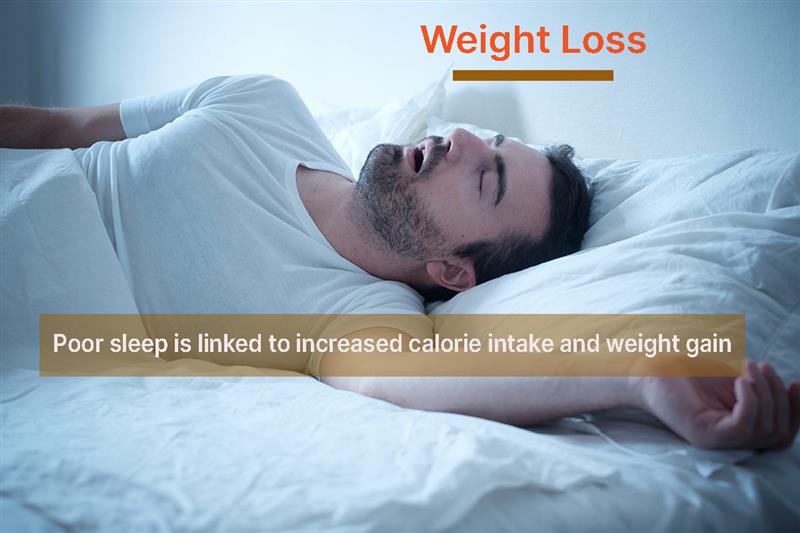
A growing body of research shows that sleep duration, quality, and timing play a critical role in body weight regulation. Poor sleep is linked to increased calorie intake, unhealthy food choices, and higher obesity risk—yet long-term evidence for sleep-based weight-loss interventions remains limited.
A new review published in Cambridge University Press highlights sleep as a powerful—but often overlooked—factor in maintaining a healthy body weight.
The study, featured in Proceedings of the Nutrition Society, examines how sleep duration, quality, and consistency influence metabolism, eating behavior, and long-term weight outcomes.
Sleep and Obesity: A Strong Link
Research consistently shows that insufficient sleep is associated with a significantly higher risk of obesity—by as much as 40% in some studies.
Adults are generally recommended to get 7–9 hours of sleep per night, yet a large proportion of the population falls short of this target.
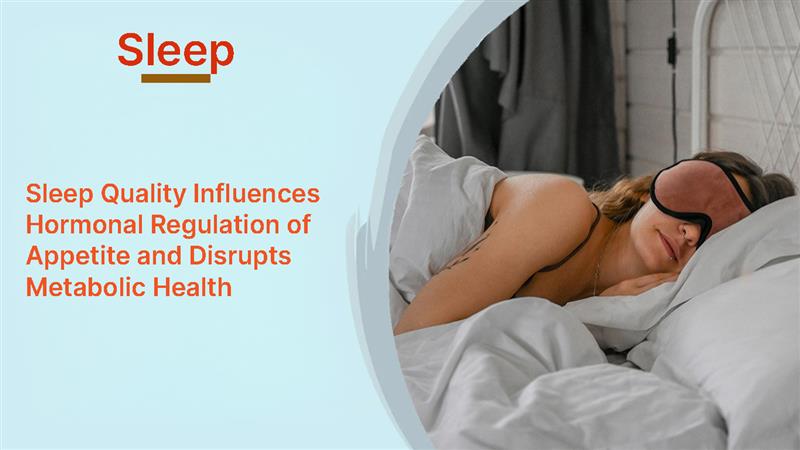
Why Poor Sleep Leads to Weight Gain
The relationship between sleep and body weight is complex and bi-directional. Poor sleep can lead to weight gain, while obesity itself can disrupt sleep (e.g., via sleep apnea).
Key mechanisms include:
- Increased hedonic eating (cravings for high-calorie foods)
- Greater emotional eating
- Reduced physical activity
- Disrupted appetite hormones (like leptin and ghrelin)
- Circadian misalignment, affecting metabolism
Together, these factors create a positive energy balance, increasing the likelihood of weight gain.
Sleep Timing Matters Too
It’s not just how long you sleep—but when and how consistently.
Irregular sleep patterns (often called social jetlag) can disrupt internal biological clocks, leading to:
- Poorer diet quality
- Higher sugar intake
- Lower fruit and vegetable consumption
This misalignment between biological and social schedules may also affect the gut microbiome—an emerging factor in obesity.
Can Better Sleep Help You Lose Weight?
Short-term intervention studies show promising results:
- Extending sleep can reduce daily calorie intake (e.g., ~270 kcal/day in one trial)
- Improvements in diet quality are possible
However, the long-term impact on weight loss remains unclear due to limited large-scale randomized controlled trials.
The Bottom Line
While sleep is clearly linked to weight regulation, current evidence suggests:
- Sleep is a supporting factor, not a standalone solution
- Integrating sleep with nutrition and physical activity is likely the most effective strategy
- More robust long-term studies are needed
Why This Matters for GeneFit Readers
For GeneFit clinics and patients, this research reinforces a critical insight: body composition and metabolic health are not just about diet and exercise.
Sleep optimization can:
- Enhance results from body contouring and metabolic treatments
- Improve hormonal balance (key for fat loss and muscle preservation)
- Support patient adherence to nutrition and lifestyle programs
Integrating sleep assessment and coaching into GeneFit protocols could become a powerful differentiator—especially in a market like Dubai, where stress, irregular schedules, and lifestyle factors often disrupt sleep.
Reference
Hall, W. L. (2025). Optimal sleep: A key element in maintaining a healthy bodyweight. Proceedings of the Nutrition Society, 85(1), 40–58. https://doi.org/10.1017/S0029665125000072
Disclaimer: The information on this website is for educational purposes only and does not constitute medical advice, diagnosis, or treatment. Content is based on publicly available scientific sources and does not replace consultation with a DHA-licensed healthcare professional. No claims are made that this information can prevent, diagnose, or cure any disease. Individual results may vary. GeneFit Clinics assumes no responsibility for any consequences arising from the use of this information.

Ready to unlock your potential?
Your body deserves better than guesswork.
Book a consultation to discover a personalised transformation experience, built on your unique biology and delivered with concierge-level care.