

What Ramadan Fasting Teaches Us About Successful Short-Term Dietary Change
A qualitative study of Ramadan fasting reveals key drivers and barriers of short-term dietary behavior change. While religious motivation played a central role, transferable factors such as habit formation, social support, self-regulation strategies, and confidence in managing discomfort were critical for sustaining change. These insights can inform more effective nutrition and lifestyle interventions beyond religious contexts.
A new qualitative study published in Appetite explores why people are able to successfully change their eating behavior during Ramadan fasting and which of these factors may be transferable to health-focused dietary interventions.
Researchers examined Ramadan fasting as a real-life model of sustained short-term dietary change, interviewing 23 adult participants before, during, and after Ramadan in 2024. Their aim was to identify both the drivers that support adherence and the barriers that make dietary change challenging.
Ramadan fasting requires abstaining from food and drink from dawn to sunset for nearly a month, representing a major shift in daily eating routines. Because most participants complete this fast successfully, the researchers viewed it as a unique opportunity to study behavior change in action rather than in theory.
Using the Capability, Opportunity, Motivation–Behavior (COM-B) model, the research team identified six main thematic areas influencing dietary behavior: religion and spirituality, social and structural factors, physical and mental sensations, capability, food-related factors, and health and weight management.
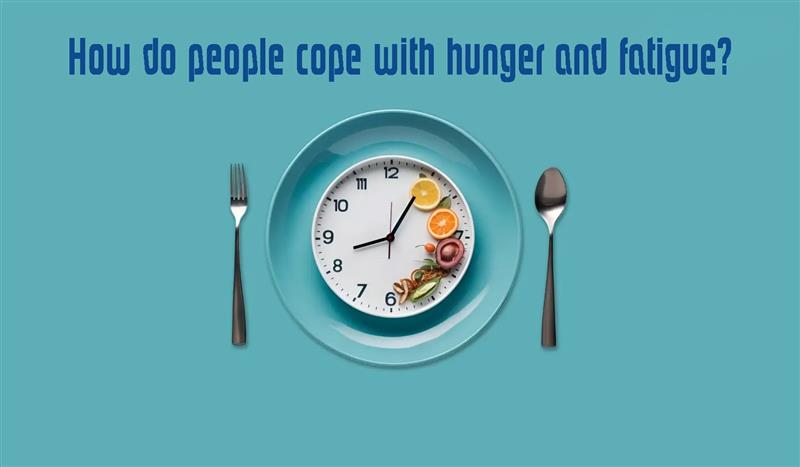
Strong Motivators: Faith and Social Environment
The most powerful driver of adherence was religious and spiritual commitment. Participants described fasting as a moral duty and an important part of their identity, which helped them tolerate discomfort and remain consistent throughout the month.
Social and environmental factors also played a critical role. Fasting together with family, friends, and the wider community reinforced motivation and normalized the behavior. Shared meal times and collective routines created a supportive context that reduced feelings of isolation and temptation.
While these religious and cultural motivators are context-specific, they demonstrate how deeply held values and collective participation can strengthen commitment to dietary change.
Transferable Factors That Support Dietary Change
Beyond religion, the study identified several factors that could be applied to non-religious health and nutrition programs:
Habit Formation and Experience
Participants with years of fasting experience reported that the behavior had become routine and automatic. This reduced the mental effort required to sustain the change and increased resilience to discomfort.
Self-Efficacy and Capability
Confidence in one’s ability to tolerate hunger, thirst, and fatigue was an important factor in maintaining adherence. Many participants developed skills to manage energy levels and adjust their daily schedules.
Social Support
Encouragement from family and peers helped participants remain committed and reduced the psychological burden of fasting.
Self-Regulation Strategies
Participants used multiple coping techniques, including distraction, reframing discomfort as meaningful, and planning meals carefully to minimize fatigue and hunger.
These strategies mirror psychological mechanisms used in successful lifestyle interventions such as weight management and smoking cessation programs.
Barriers to Short-Term Dietary Change
Despite overall success, participants described several challenges:
- Physical discomfort: hunger, thirst, headaches, and fatigue
- Disrupted daily routines: changes in sleep and work schedules
- Psychological strain: thinking frequently about food and missing normal eating patterns
- Social pressures: navigating gatherings and meal expectations
Participants adapted by modifying their eating behavior, relying on social support, and mentally reframing challenges as temporary and purposeful.
Implications for Nutrition and Health Programs
The findings suggest that short-term dietary change is not driven by willpower alone. Instead, it depends on a combination of motivation, habit formation, supportive environments, and coping strategies.
Health interventions could benefit from:
Linking dietary goals to personal values
Encouraging social participation and peer support
Building confidence through gradual exposure and practice
Teaching practical self-regulation strategies
These elements may help improve adherence in programs focused on weight management, metabolic health, and long-term lifestyle change.
Why This Matters for GeneFit Readers
For GeneFit readers interested in personalized nutrition and sustainable lifestyle change, this study highlights that successful dietary behavior change depends as much on psychology and environment as on biology.
Understanding how people maintain fasting during Ramadan provides valuable insight into:
- How habits are formed and reinforced
- Why social context matters in dietary success
- How coping strategies can reduce failure and relapse
These findings support GeneFit’s approach of combining scientific evidence with behavioral insights to help individuals adopt healthier eating patterns that last beyond short-term goals.
Reference
Al-Ozairi, E., Al-Kandari, J., Al-Taiar, A., & Al-Sabah, S. (2026). Drivers and barriers of successful short-term dietary behavior change: Transferable factors from a qualitative case study of Ramadan fasting. Appetite, 197, 107096. https://doi.org/10.1016/j.appet.2026.107096
Disclaimer: The information on this website is for educational purposes only and does not constitute medical advice, diagnosis, or treatment. Content is based on publicly available scientific sources and does not replace consultation with a DHA-licensed healthcare professional. No claims are made that this information can prevent, diagnose, or cure any disease. Individual results may vary. GeneFit Clinics assumes no responsibility for any consequences arising from the use of this information.

Ready to unlock your potential?
Your body deserves better than guesswork.
Book a consultation to discover a personalised transformation experience, built on your unique biology and delivered with concierge-level care.