

What You Eat Could Change How Well Cancer Treatment Works
A groundbreaking study published in Nature has uncovered why obesity has sometimes been linked to better responses to cancer immunotherapy. Researchers found that the benefit is not driven by excess body weight itself, but by a powerful interaction between diet and the gut microbiome. Certain dietary patterns promoted beneficial gut bacteria, particularly Lactobacillus johnsonii, which enhanced immune checkpoint inhibitor (ICI) therapy by producing metabolites that strengthened anti-tumour T cell responses. These findings open the door to personalised nutrition strategies that could improve cancer treatment outcomes.
For years, oncologists have observed an intriguing paradox: patients with obesity often respond better to immune checkpoint inhibitors (ICIs), one of the most important classes of modern cancer therapies. Until now, the biological explanation behind this phenomenon has remained largely unknown.
A new study published in Nature provides compelling evidence that the answer lies not in obesity itself, but in the interaction between diet and the gut microbiome.
Researchers developed twelve different dietary models in mice, representing a wide spectrum of eating patterns and metabolic health. While some diets caused obesity and others did not, the scientists discovered that successful immunotherapy was closely associated with the composition of the gut microbiome rather than with body weight, insulin resistance, or other markers of metabolic dysfunction.
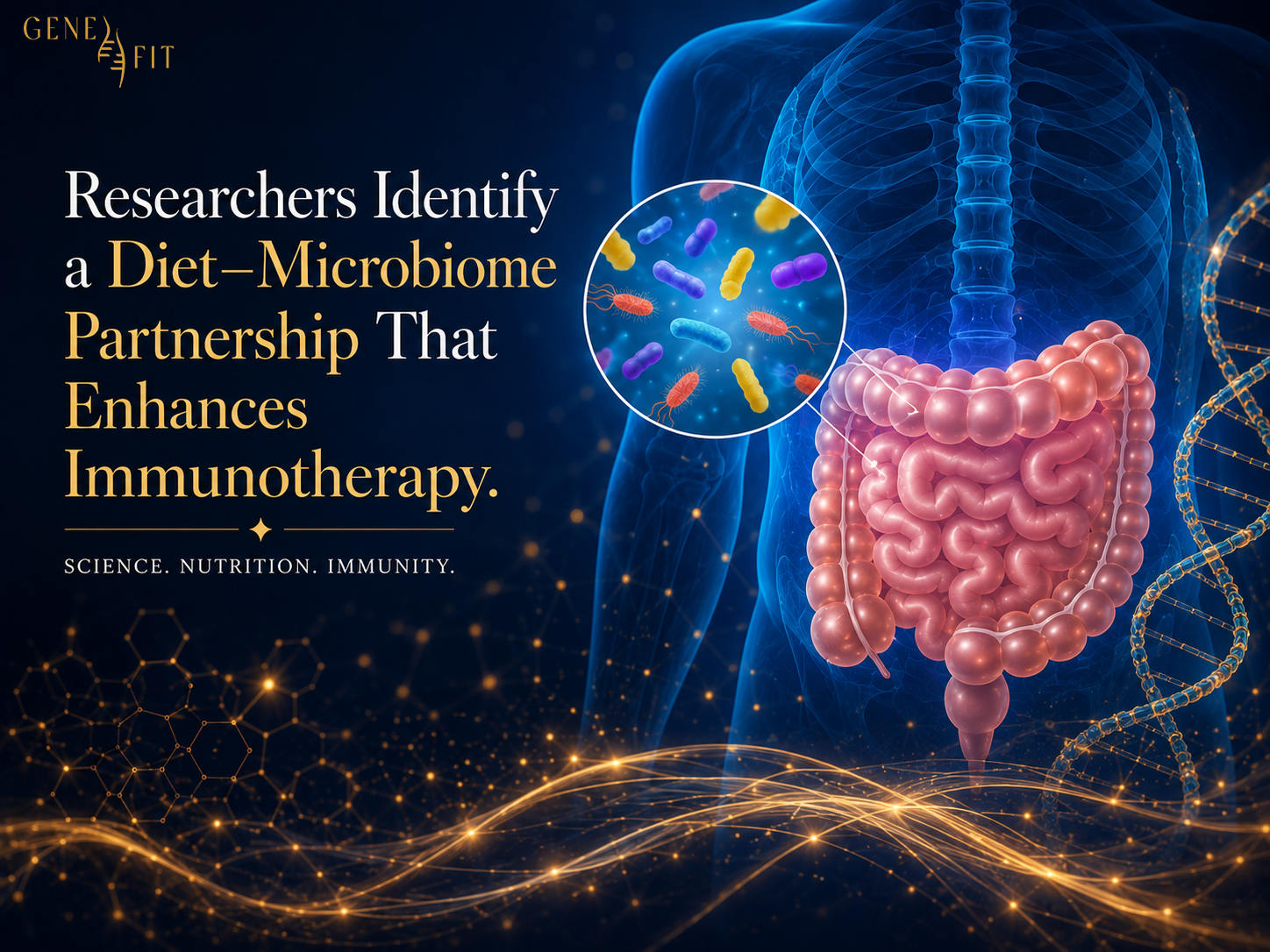
The study identified Lactobacillus johnsonii as one of the key bacterial species associated with improved responses to anti-PD-1 immunotherapy. Simply introducing this bacterium was not enough to achieve the strongest therapeutic effect. Instead, the greatest tumour regression occurred only when the beneficial bacteria were combined with a supportive dietary environment, demonstrating a true synergy between nutrition and the microbiome.
The researchers also showed that switching diets could rapidly reshape the gut ecosystem. Even after faecal microbiota transplantation from non-responding donors, changing the diet restored sensitivity to immunotherapy, suggesting that nutrition may influence treatment outcomes more strongly than the initial microbiome composition.
Further metabolic analyses revealed that this diet-microbiome partnership increased the production of microbial metabolites derived from aromatic amino acids. These compounds enhanced the activity of cytotoxic T cells, enabling the immune system to recognise and destroy cancer cells more effectively.
Importantly, the findings suggest that body mass index (BMI) itself may simply be a marker for underlying dietary and microbial conditions rather than the direct cause of improved immunotherapy responses. This could help explain the long-debated "obesity paradox" observed in several cancer studies.
The authors believe their work supports future clinical trials investigating personalised dietary interventions, microbiome-targeted therapies, and precision nutrition alongside immune checkpoint inhibitors. Instead of focusing solely on modifying the microbiome through probiotics or faecal microbiota transplantation, optimising dietary patterns may become an equally important strategy for improving cancer treatment.
Why This Matters for GeneFit Readers
This study perfectly illustrates why precision nutrition is becoming an essential component of personalised medicine.
At GeneFit Clinics, we recognise that health outcomes are shaped by complex interactions between genetics, nutrition, metabolism, and the gut microbiome. While this research focuses on cancer immunotherapy, its broader message is highly relevant: the same dietary intervention may not produce the same biological response in every individual.
By combining genetic insights with personalised nutrition and lifestyle recommendations, precision health approaches can help create a biological environment that supports optimal immune function and metabolic health. As research continues to uncover how genes, diet, and the microbiome interact, personalised interventions will likely become an increasingly important part of preventive medicine and future therapeutic strategies.
Reference
Desharnais, L., Swaby, A., Messaoudene, M., Doré, S., Yu, M. W., Fiset, B., Breton, V., Ponce, M., Hu, Y., Wilson, L., Sorin, M., Wang, Y., Dewar, K., Pollak, M., Elkrief, A., Routy, B., Walsh, L. A., Quail, D. F., et al. (2026). Diet–microbiome synergy underlies obesity-associated immunotherapy efficacy. Nature. Advance online publication. https://doi.org/10.1038/s41586-026-10750-x
Disclaimer: The information on this website is for educational purposes only and does not constitute medical advice, diagnosis, or treatment. Content is based on publicly available scientific sources and does not replace consultation with a DHA-licensed healthcare professional. No claims are made that this information can prevent, diagnose, or cure any disease. Individual results may vary. GeneFit Clinics assumes no responsibility for any consequences arising from the use of this information.

Ready to unlock your potential?
Your body deserves better than guesswork.
Book a consultation to discover a personalised transformation experience, built on your unique biology and delivered with concierge-level care.