

Why Does Ozempic Work Better for Some People Than Others?
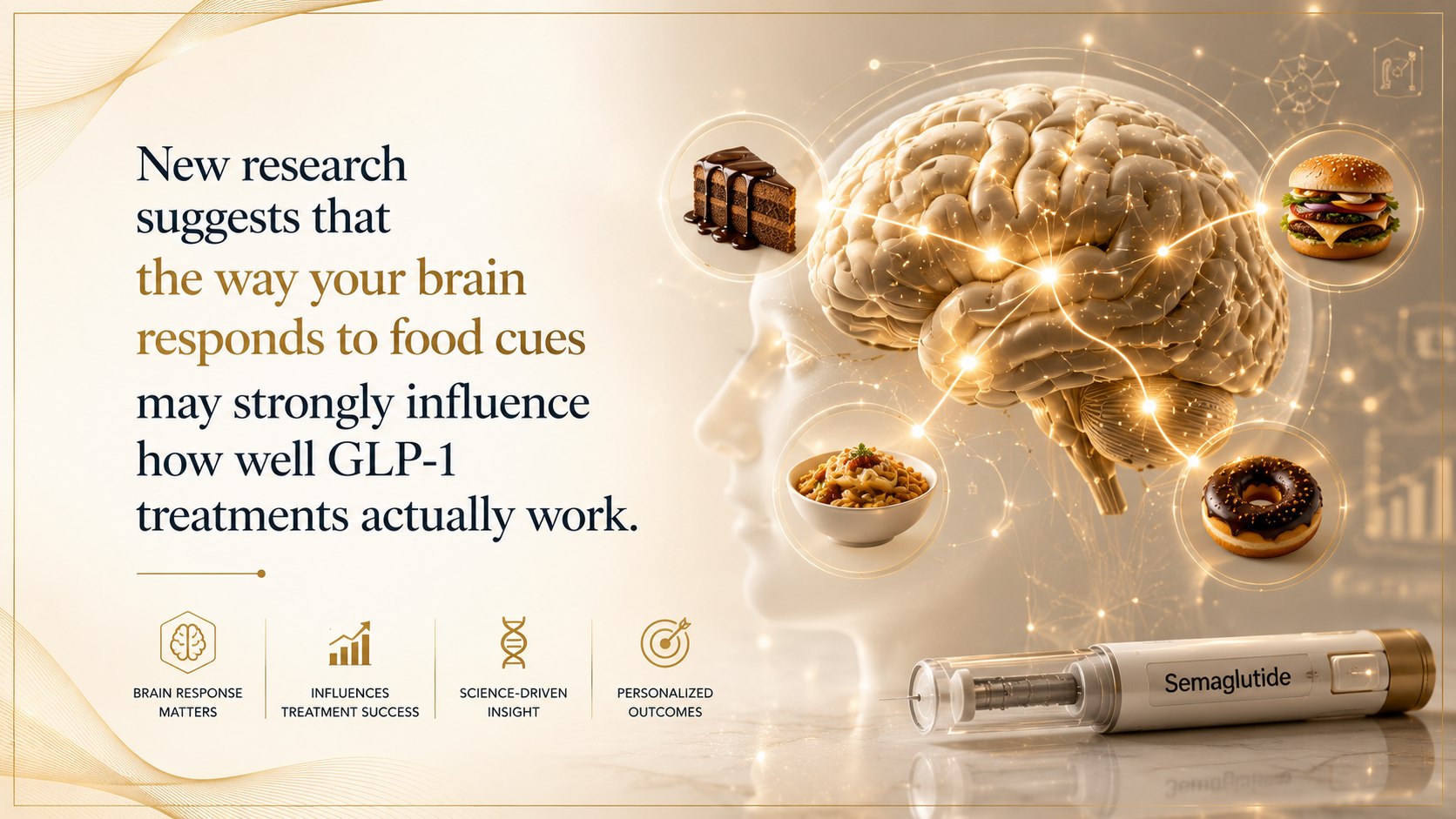
A new multicenter study suggests that people with type 2 diabetes who score higher for “external eating” behaviors may respond better to GLP-1 receptor agonist treatments such as semaglutide. Researchers found stronger weight loss and improved blood sugar control in individuals more influenced by food cues like smell, appearance, or availability.
Could Your Brain’s Eating Patterns Influence How Well Ozempic Works?
GLP-1 receptor agonists such as semaglutide and liraglutide have transformed obesity and type 2 diabetes treatment. Yet not everyone responds to these medications in the same way. A new Japanese study now suggests that eating behavior patterns may help explain why.
Researchers from multiple medical centers in Japan followed 92 adults with type 2 diabetes who started GLP-1 receptor agonist therapy, including liraglutide, dulaglutide, and semaglutide. Over 12 months, the team tracked body weight, blood sugar levels, body fat, dietary intake, and psychological eating behaviors.

The findings revealed a striking trend: people with higher “external eating” scores experienced greater weight loss during treatment.
These results support growing evidence that GLP-1 drugs may partly work through brain pathways involved in reward processing and appetite regulation. Patients who are more sensitive to food-related cues may therefore experience a stronger therapeutic response.
The study also raises important questions for personalized obesity medicine. In the future, clinicians may potentially use eating behavior assessments alongside genetic and metabolic testing to predict which patients are most likely to respond to GLP-1-based therapies.
Although the study was relatively small and observational, it highlights the increasing importance of behavioral biology in modern metabolic medicine. Researchers believe larger studies are now needed to confirm whether eating behavior profiling could become part of routine obesity and diabetes care.

Jordan Gardiner
Personal TrainerThis highlights the importance of assessing a patient’s eating behaviour patterns before starting GLP-1 medications. The author, a physical therapist, argues that because people respond differently based on factors like emotional eating, cue sensitivity, or reward-seeking, understanding their baseline relationship with food is crucial. Without this, risks include muscle loss, nutrient deficiencies, disordered eating, and over-reliance on the drug. Effective support must combine training, nutrition, recovery, and behavioural strategies, both during and after medication, to improve long-term sustainability and prevent weight regain.
Why This Matters for GeneFit Readers
Not all patients respond equally to GLP-1 medications, even when using the same drug and dosage. This study suggests that behavioral traits linked to appetite and food responsiveness may influence treatment outcomes.
For GeneFit readers, this reinforces the growing value of precision medicine approaches that combine genetics, metabolism, psychology, and lifestyle profiling. Understanding how your brain responds to food cues may eventually help predict which weight-loss interventions are most effective for your biology.
As personalized healthcare evolves, future obesity treatments may become increasingly tailored not only to genes and biomarkers, but also to individual behavioral patterns.
Reference
Koide, Y., Kato, T., Hayashi, M., Daido, H., Maruyama, T., Ishihara, T., Nishimura, K., Tsunekawa, S., & Yabe, D. (2025). Association between eating behavior patterns and the therapeutic efficacy of GLP-1 receptor agonists in individuals with type 2 diabetes: A multicenter prospective observational study. Frontiers in Clinical Diabetes and Healthcare, 6, 1638681. https://doi.org/10.3389/fcdhc.2025.1638681
Disclaimer: The information on this website is for educational purposes only and does not constitute medical advice, diagnosis, or treatment. Content is based on publicly available scientific sources and does not replace consultation with a DHA-licensed healthcare professional. No claims are made that this information can prevent, diagnose, or cure any disease. Individual results may vary. GeneFit Clinics assumes no responsibility for any consequences arising from the use of this information.

Ready to unlock your potential?
Your body deserves better than guesswork.
Book a consultation to discover a personalised transformation experience, built on your unique biology and delivered with concierge-level care.