

Your DNA May Reveal Whether GLP-1 Drugs Will Work for You
A large genetic study published in the journal Nature analysed nearly 28,000 users of GLP-1 receptor agonists and found that specific genetic variants can influence both weight loss outcomes and the risk of side effects such as nausea and vomiting. The findings suggest that genetic testing may eventually help clinicians personalise obesity treatment and select the most suitable GLP-1 medication for each patient.
New Genetic Clues May Explain Why GLP-1 Weight Loss Drugs Work Better for Some People
The remarkable success of GLP-1 receptor agonists such as semaglutide and tirzepatide has transformed obesity treatment worldwide. Yet clinicians have long observed that patients respond very differently to these medications. Some experience dramatic weight loss, while others achieve only modest results or struggle with side effects.
A new study published in Nature offers some of the strongest evidence to date that genetics may be a major contributor to these differences. Researchers conducted a genome-wide association study involving 27,885 individuals who reported using GLP-1 receptor agonist medications for weight management.

The investigators identified a significant genetic variant within the GLP1R gene, which encodes the receptor targeted by drugs such as semaglutide. Individuals carrying the beneficial version of this variant experienced greater weight loss during treatment. According to the researchers, each copy of the effect allele was associated with an additional average weight reduction of approximately 0.76 kilograms.
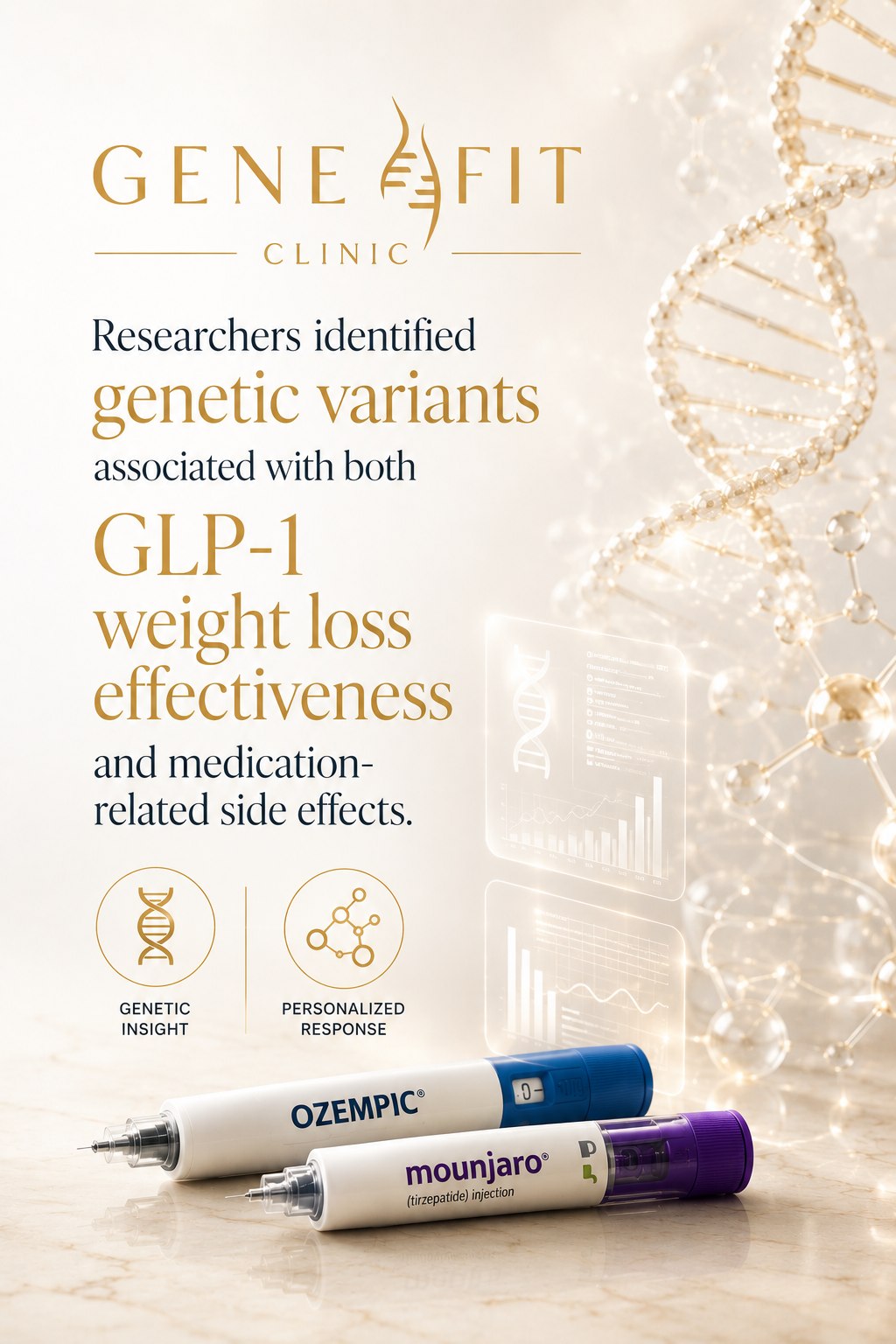
The study also uncovered genetic factors linked to medication-related side effects. Variants in both GLP1R and GIPR were associated with an increased likelihood of nausea and vomiting. Interestingly, the GIPR association was observed specifically among users of tirzepatide, a medication that targets both GLP-1 and GIP receptors.
To evaluate the potential clinical value of these discoveries, researchers combined genetic information with demographic and clinical data to develop predictive models of treatment response. These models were able to stratify patients according to expected efficacy and side-effect risk, suggesting that future obesity care may become increasingly personalized.
The findings represent an important step toward precision obesity medicine. While lifestyle factors, adherence, and metabolic health remain critical determinants of treatment success, genetic testing could eventually help healthcare providers identify patients who are most likely to benefit from specific GLP-1 therapies and those who may require alternative treatment strategies.
Although additional validation studies will be necessary before routine clinical implementation, the research provides compelling evidence that genetic variation within drug target pathways plays a meaningful role in determining both the effectiveness and tolerability of GLP-1 medications.

Dr. Ali Issapour
MD, FRACGP, MAICDFounder of GeneFit
As a GP, I have traditionally prescribed GLP-1 medications based on general factors such as clinical indications, dosing guidelines, and patient characteristics, knowing that responses can vary considerably between individuals. What makes this study particularly interesting is that it provides evidence that genetics may help predict both treatment effectiveness and the likelihood of side effects before therapy even begins. This has the potential to move obesity treatment beyond a trial-and-error approach and towards more personalised prescribing, allowing us to better match the right treatment to the right patient.
Why This Matters for GeneFit Readers
This study aligns closely with GeneFit's mission of advancing personalized health through genetics. As GLP-1 medications become increasingly common in obesity management, understanding an individual's genetic profile may help optimize treatment selection, improve outcomes, reduce trial-and-error prescribing, and minimize adverse effects.
The findings also support the broader concept that obesity treatment should move beyond a one-size-fits-all approach. In the future, genetic testing may help clinicians identify which patients are most likely to achieve meaningful weight loss with specific GLP-1 therapies and which individuals may be more vulnerable to treatment-related side effects.
For GeneFit readers, this research highlights how genomics is beginning to influence everyday clinical decisions in weight management and preventive medicine.
Reference
Su, Q. J., Ashenhurst, J. R., Xu, W., Tran, V., Wu, R. R., Weldon, C. H., Shi, J., Hicks, B., 23andMe Research Team, Abul-Husn, N. S., Aslibekyan, S., Holmes, M. V., Koelsch, B. L., & Auton, A. (2026). Genetic predictors of GLP1 receptor agonist weight loss and side effects. Nature. https://doi.org/10.1038/s41586-026-10330-z
Disclaimer: The information on this website is for educational purposes only and does not constitute medical advice, diagnosis, or treatment. Content is based on publicly available scientific sources and does not replace consultation with a DHA-licensed healthcare professional. No claims are made that this information can prevent, diagnose, or cure any disease. Individual results may vary. GeneFit Clinics assumes no responsibility for any consequences arising from the use of this information.

Ready to unlock your potential?
Your body deserves better than guesswork.
Book a consultation to discover a personalised transformation experience, built on your unique biology and delivered with concierge-level care.